
Reckless Driving Is Virginia's Only Points-Tier SR-22 Trigger
Find Carriers That Accept PointsWhy Reckless Driving Triggers SR-22 in Virginia When Other 6-Point Violations Don't
Reckless driving is classified as a Class 1 misdemeanor in Virginia, which makes it a criminal conviction rather than a traffic infraction. The DMV treats it as a major offense requiring proof of financial responsibility through SR-22 filing for 3 years from the conviction date. Other 6-point violations like improper passing or following too closely remain infractions and do not trigger the SR-22 requirement.
Virginia's point system assigns 6 points to reckless driving, but the SR-22 mandate flows from the criminal classification, not the point value. A driver can accumulate 12 points from two speeding tickets without SR-22, yet a single reckless conviction at 6 points requires filing. Under current state DMV rules, the distinction between misdemeanor and infraction determines filing obligation, not point total.
The conviction stays on your DMV record for 11 years, but the SR-22 filing period ends after 3 years if you maintain continuous coverage without lapses. Most carriers add a 40–60% surcharge for reckless driving that persists for 3–5 years on their internal lookback, separate from the DMV point window. Geico and State Farm typically review surcharges at the 3-year mark; Progressive and Allstate often extend to 5 years for criminal traffic convictions.

What Reckless Driving Means on Virginia's DMV Record vs Insurance Policy
Virginia defines reckless driving as operating a vehicle at 85 mph or higher, exceeding the speed limit by 20 mph or more, or driving in a manner that endangers life, limb, or property. All qualify as Class 1 misdemeanors carrying up to 12 months in jail and a $2,500 fine, though most first offenses result in fines between $250 and $1,000 plus court costs.
The 6 points remain on your DMV record for 2 years from the conviction date and count toward the 12-point suspension threshold within 12 months or 18 points within 24 months. The criminal conviction itself stays visible for 11 years on your driving abstract, which insurers pull during underwriting. This creates two parallel timelines: DMV points expire in 2 years, but the conviction drives rate surcharges for 3–5 years depending on carrier policy.
SR-22 filing costs $15–$50 as a one-time DMV processing fee, but the real expense is the policy surcharge. Drivers with a reckless conviction in Virginia see rates increase from an average baseline of $110/mo to $155–$185/mo with preferred carriers or $200–$260/mo if moved to non-standard markets. The filing itself does not add cost beyond the processing fee; the conviction drives the rate change.


How Long SR-22 Filing Lasts After Reckless Driving in Virginia
Virginia requires SR-22 filing for 3 years from the reckless driving conviction date. The clock starts when the court enters the conviction, not when you file the SR-22 or reinstate your license. If your license was suspended and you delayed reinstatement by 6 months, you still owe 3 years of continuous filing from the original conviction date—the suspension period does not extend the filing window.
Any lapse in coverage during the 3-year period resets the filing clock. Virginia DMV receives electronic notice within 24 hours when an SR-22 policy cancels, lapses, or drops below state minimums. The DMV suspends your license immediately and you must file a new SR-22 to reinstate, which starts a new 3-year filing period from the reinstatement date. Most non-standard carriers charge a $75–$150 reinstatement fee on top of the lapsed-policy surcharge.
After 3 years of continuous coverage without lapses, the SR-22 requirement expires automatically. You do not file paperwork to remove it; the DMV simply stops tracking your proof of insurance. Your rates typically drop 10–20% at that milestone as carriers reclassify you from high-risk to standard, though the reckless conviction remains visible on your record for another 8 years and may still influence renewal pricing until the 11-year mark.

Stop Overpaying While Your Points Fade
Find Carriers That Accept PointsWhich Carriers Write SR-22 Policies for Reckless Driving in Virginia
State Farm, Geico, and Progressive write SR-22 policies in Virginia for drivers with reckless convictions, but underwriting varies by total points and prior violations. State Farm typically accepts first-offense reckless drivers with clean prior records at standard rates plus a 40–50% surcharge. Geico and Progressive route most reckless convictions to their non-standard divisions (Geico Advantage, Progressive Direct) at $180–$240/mo for state minimum coverage.
Nationwide and Allstate declined new policies for reckless convictions in Virginia as of early 2024, though they may retain existing policyholders through renewal with surcharges. Travelers and Liberty Mutual quote reckless drivers case-by-case, usually requiring bundled home and auto policies to offset the risk score. Non-standard carriers like Dairyland, The General, and Safe Auto specialize in SR-22 filings and approve most reckless convictions at $200–$280/mo for 25/50/20 liability.
SR-22 filing does not require full coverage. You can meet the Virginia SR-22 requirement with state minimum liability (25/50/20), which reduces monthly premiums by $40–$70 compared to comprehensive and collision. If your vehicle has a loan or lease, the lender requires full coverage regardless of SR-22 status, but if you own the car outright, liability-only SR-22 is the most cost-effective option for the 3-year filing period.

Rate Recovery Timeline After Reckless Driving in Virginia
The reckless driving surcharge peaks in year one at 50–65% above your prior rate, then declines in steps as the violation ages. Most carriers reduce the surcharge to 30–40% at the 3-year mark when SR-22 filing expires, then phase out the remaining penalty between years 4 and 5. By year 6, the conviction is outside most carriers' active lookback windows, though it remains visible on your DMV record until year 11.
Requesting a re-rate at the 3-year anniversary when SR-22 expires can accelerate the reduction. Carriers do not automatically lower your premium when the filing requirement ends; you must contact your agent or underwriting department to trigger a risk reclassification. Drivers who switch carriers at the 3-year mark often see 15–25% savings compared to staying with the same insurer, as new carriers apply current underwriting models that weigh the 3-year-old conviction less heavily.
Virginia does not offer point reduction courses for reckless driving convictions. The 6 points remain on your record for the full 2-year window regardless of defensive driving completion. However, completing a state-approved driver improvement clinic within 90 days of conviction can demonstrate mitigation during sentencing, potentially reducing the criminal penalty—though it has no effect on DMV points or insurance surcharges once the conviction is entered.
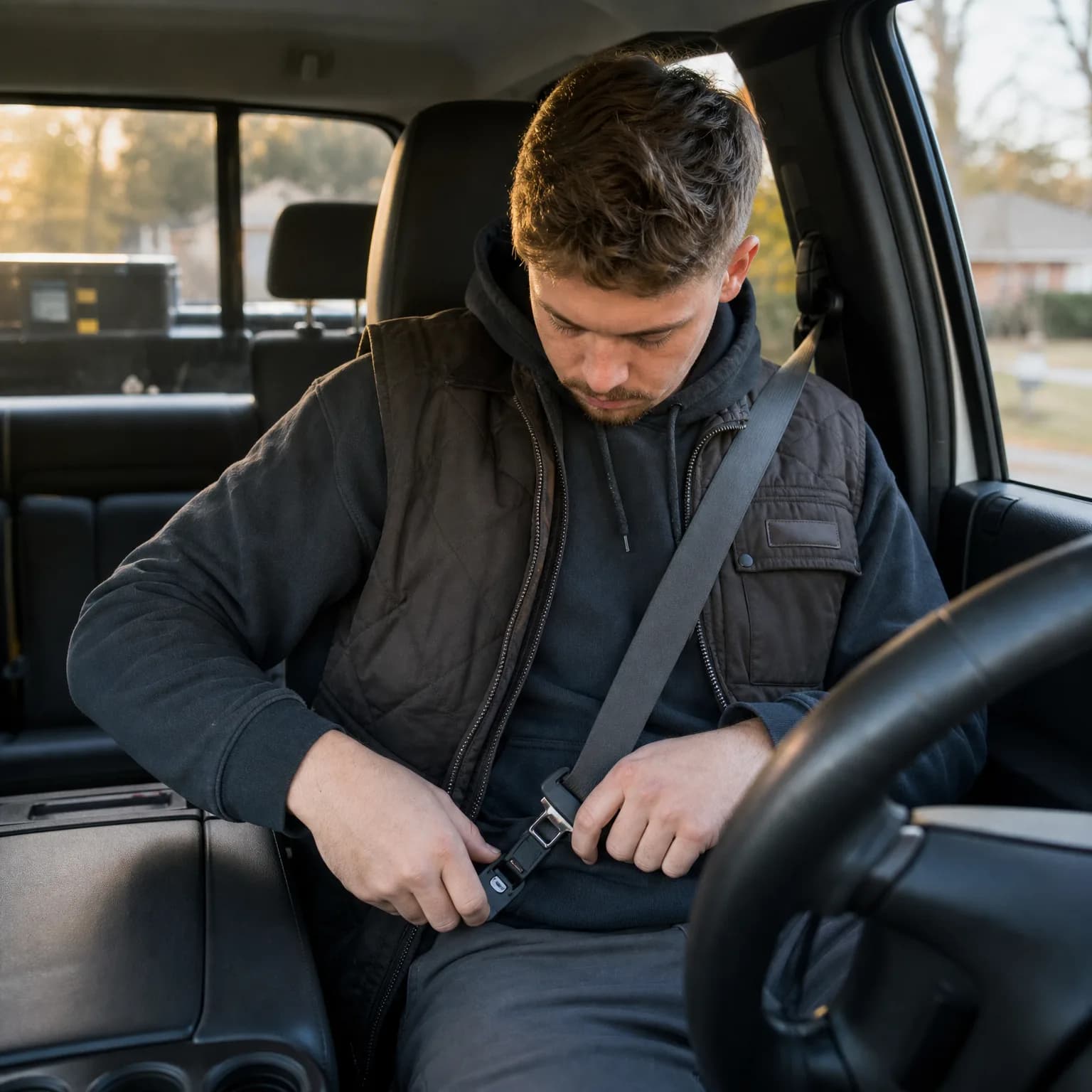
What Happens If You Accumulate More Points During SR-22 Filing
Adding more violations during your 3-year SR-22 filing period compounds both DMV and insurance consequences. Virginia suspends your license if you reach 12 points in 12 months or 18 points in 24 months, and a suspension during active SR-22 resets the filing clock from the new reinstatement date. A second 6-point violation while on SR-22 puts you at the 12-point threshold immediately, triggering a 90-day suspension and requiring a new 3-year SR-22 period starting from reinstatement.
Insurance surcharges stack. A second speeding ticket (4 points) added to an existing reckless conviction moves most drivers from standard to non-standard markets, increasing rates by an additional 20–35% on top of the reckless surcharge. The combined effect typically pushes monthly premiums to $220–$300/mo for state minimum coverage. Preferred carriers like State Farm and Geico will non-renew policies after a second major violation during SR-22, forcing you into assigned-risk pools or non-standard specialists.
If your license is suspended for points during SR-22, Virginia requires completion of a driver improvement clinic before reinstatement in addition to paying the $145 reinstatement fee and filing a new SR-22. The clinic costs $75–$125 and takes 8 hours. You cannot reinstate without proof of clinic completion, current SR-22 on file, and payment of all outstanding fines and fees. The new SR-22 period runs 3 years from the reinstatement date, not from the original reckless conviction.
Frequently Asked Questions
Does reckless driving in Virginia always require SR-22 filing?
Yes, all reckless driving convictions in Virginia trigger mandatory SR-22 filing for 3 years from the conviction date. This applies whether the charge stems from excessive speed (85+ mph or 20+ over the limit) or dangerous operation. The SR-22 requirement flows from the Class 1 misdemeanor classification, not the 6-point penalty.
Can I remove reckless driving points early with a defensive driving course in Virginia?
No, Virginia does not allow point reduction for reckless driving convictions. The 6 points remain on your DMV record for 2 years regardless of course completion. Defensive driving may reduce criminal penalties if completed before sentencing, but it has no effect on DMV points or insurance surcharges after conviction.
How much does insurance increase after reckless driving in Virginia?
Reckless driving increases rates by 40–60% on average, moving monthly premiums from $110/mo to $155–$185/mo with standard carriers or $200–$260/mo in non-standard markets. The surcharge peaks in year one and declines gradually over 3–5 years as the conviction ages on your record.
What happens if my SR-22 policy lapses during the 3-year filing period in Virginia?
Virginia DMV suspends your license immediately when an SR-22 policy lapses. You must file a new SR-22 to reinstate, which resets the 3-year filing period from the reinstatement date. Most carriers charge a $75–$150 reinstatement fee plus a lapsed-policy surcharge of 15–25%.
Does SR-22 filing cost extra beyond the regular insurance premium?
The SR-22 processing fee is $15–$50 one-time, but the real cost is the reckless driving surcharge on your policy—not the filing itself. You pay standard premium rates plus a 40–60% conviction surcharge. The SR-22 is simply proof of coverage submitted to the DMV; it does not add recurring fees.
Related Articles

Plea Down Reckless Driving in VA: Skip SR-22 Filing
5/18/2026

VA Reckless Driving 31+ Over: Points, SR-22 & Rates
5/18/2026

Eluding Police in VA: 6 Points + SR-22 Filing
5/18/2026

Aggressive Driving + Points: SR-22 Trigger Thresholds
5/18/2026

5 States Where Points Trigger SR-22 Filing | 2025
5/18/2026

VA 6-Point Non-Renewal: Standard Carrier Ceiling
5/18/2026