What Affects Rates in Fairbanks
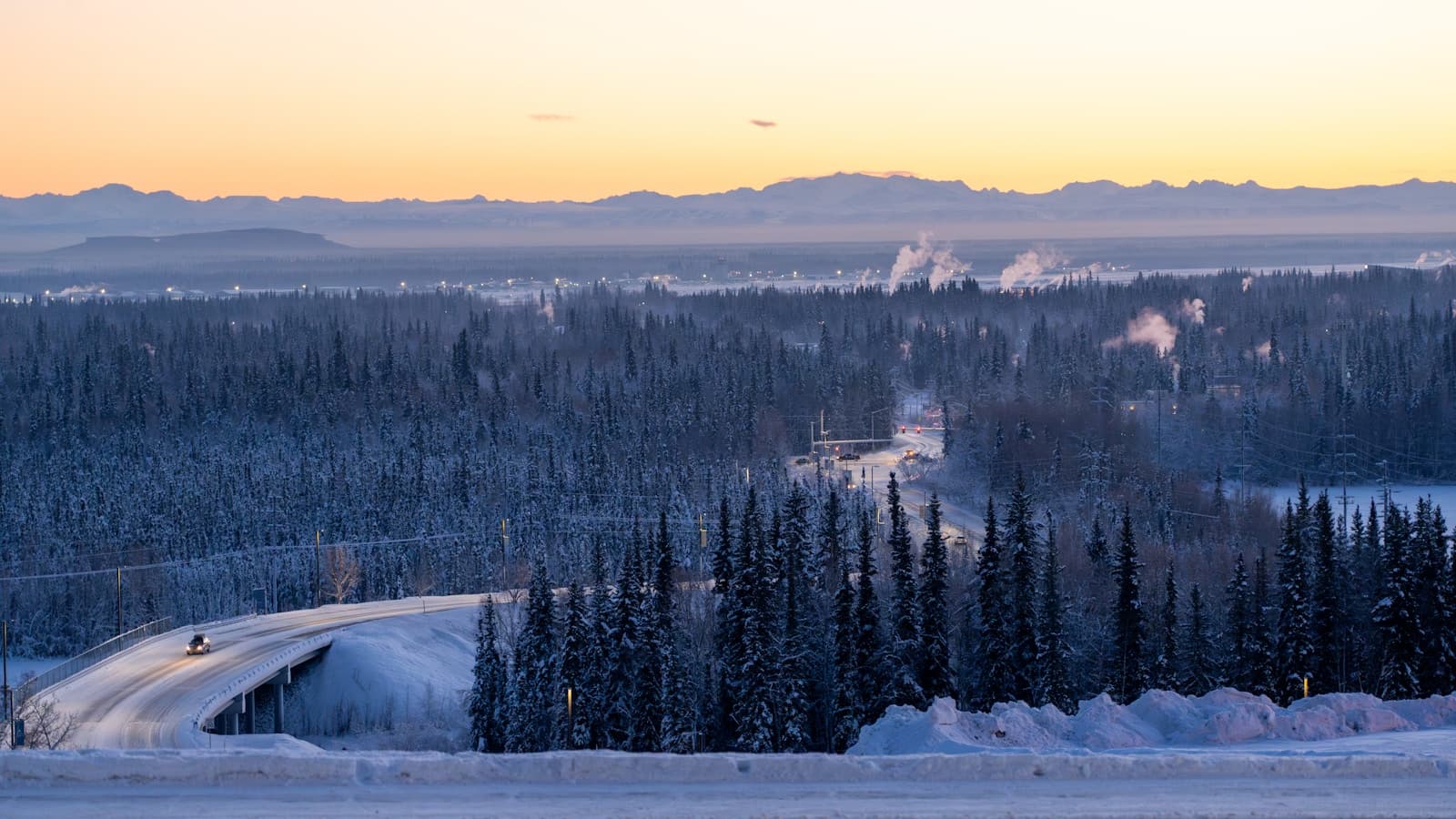
- Extreme Winter Driving Conditions: Fairbanks experiences some of Alaska's harshest winter conditions, with temperatures dropping below -40°F and extended periods of darkness from November through January. High-risk drivers face elevated comprehensive and collision premiums due to increased accident severity on ice-covered roads and higher claim frequency during winter months.
- Limited Carrier Competition: Fairbanks has fewer non-standard insurance carriers than Anchorage or southern Alaska cities, reducing competition for high-risk policies. Drivers with DUI or SR-22 requirements often find only 2-4 carriers willing to write policies in the Interior region, which keeps rates $30–$80/mo higher than comparable violations would cost in urban Lower 48 markets.
- Rural Road Network and Response Times: The Fairbanks North Star Borough covers over 7,400 square miles with sparse emergency response infrastructure outside the core urban area. High-risk drivers using rural routes face higher comprehensive premiums due to wildlife collision risk (moose, caribou) and delayed emergency response, which increases claim severity.
- Military and Transient Population Impact: Fort Wainwright and Eielson Air Force Base contribute to higher turnover in the local insurance market, with some high-risk drivers facing lapses during PCS moves or deployment. Carriers view the transient population as higher administrative risk, which can add $15–$40/mo to non-standard policies compared to stable residence history.
- Alaska Point System and License Suspension Threshold: Alaska assesses points for moving violations with suspension triggered at 12 points within 12 months or 18 points within 24 months. A DUI carries 10 points, reckless driving 10 points, and speeding 15+ mph over carries 6 points, meaning two moderate violations within a year can reach suspension threshold and trigger SR-22 requirements in Fairbanks.
Compare rates from carriers that work with drivers who have points
Standard carriers surcharge heavily after violations. These specialists price your specific record differently.
Get Your Free QuoteCoverage Recommendations
Cost estimates are based on available industry data and vary by driver profile. These are not insurance quotes.
SR-22 Insurance
Alaska requires SR-22 filing for DUI convictions, license suspensions for accumulating 12 points in 12 months, or driving uninsured. The $50 filing fee is paid to your carrier, who electronically submits the certificate to Alaska DMV and must maintain continuous reporting for 3 years—any lapse triggers automatic suspension.
$50 filing + $150–$350/mo policy costEstimated range only. Not a quote.
Non-Standard Auto Insurance
Fairbanks drivers with DUI, multiple violations, or lapses typically need non-standard carriers willing to write high-risk policies. Limited carrier presence in Interior Alaska means comparing 3-4 non-standard options is critical, as monthly premiums can vary by $80–$150 between the most and least competitive quotes for identical coverage.
$120–$300/mo liability; $150–$350/mo full coverageEstimated range only. Not a quote.
Liability Insurance
Alaska requires minimum liability limits of 50/100/25 ($50k bodily injury per person, $100k per accident, $25k property damage). High-risk drivers in Fairbanks pay $120–$250/mo for state minimum liability after DUI or major violations, with most non-standard carriers recommending 100/300/50 limits to protect assets given Alaska's tort liability system.
$120–$250/mo for 50/100/25 after violationEstimated range only. Not a quote.
Uninsured Motorist Coverage
Uninsured motorist coverage is mandatory in Alaska at the same limits as your liability policy, protecting you when hit by drivers without insurance—a higher-frequency scenario in rural Alaska areas. For high-risk drivers already paying elevated premiums, this required coverage adds $25–$60/mo but is non-negotiable and critical given Fairbanks' mix of rural and urban driving.
$25–$60/mo added to base premium (required)Estimated range only. Not a quote.