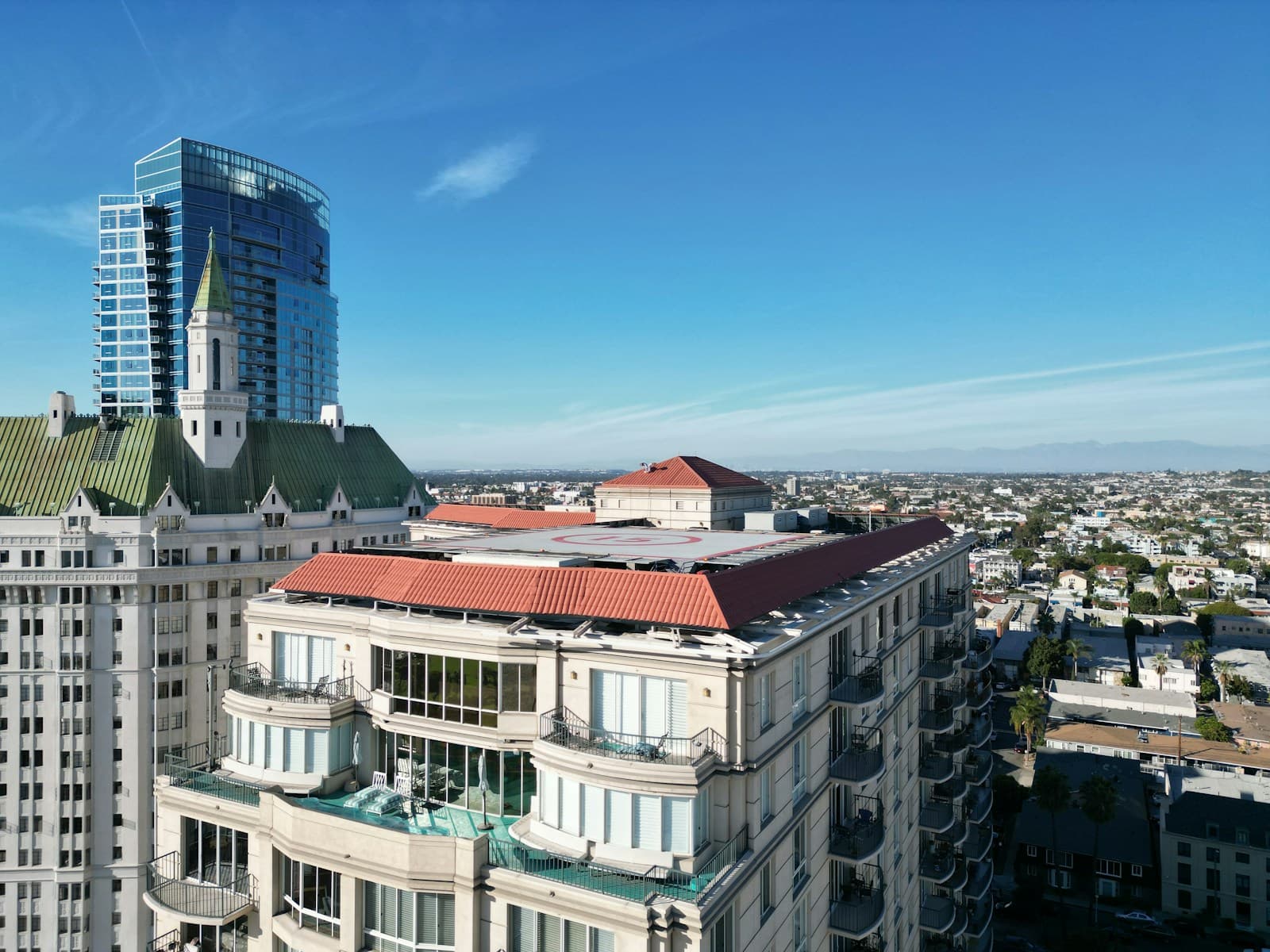
What Affects Rates in Long Beach
- I-710 and I-405 Corridor Congestion: Long Beach sits at the intersection of two of Southern California's busiest freeways, with the I-710 carrying heavy port truck traffic and the I-405 congested daily. High-risk drivers face steeper premiums here because dense traffic increases accident frequency, and carriers price SR-22 and post-violation policies based on exposure to multi-vehicle incidents.
- Port-Area Commercial Vehicle Density: The Port of Long Beach generates constant heavy truck traffic through downtown and adjacent neighborhoods, elevating collision severity risk. Drivers with violations pay more for liability and uninsured motorist coverage because accidents involving commercial vehicles typically result in higher claims, and carriers adjust rates to reflect this elevated risk.
- High Uninsured Motorist Concentration: Los Angeles County, which includes Long Beach, has an estimated uninsured driver rate above 15%, one of the highest in California. For high-risk drivers, this means uninsured motorist coverage is critical and often more expensive, as carriers price in the likelihood that an at-fault uninsured driver won't cover your damages.
- Urban Parking and Theft Risk: Long Beach's mix of dense urban neighborhoods, beach parking areas, and port-adjacent industrial zones creates elevated vehicle theft and vandalism rates. High-risk drivers carrying comprehensive coverage see this reflected in premiums, particularly in zip codes near the port and downtown corridors.
- Coastal Weather and Fog Patterns: Marine layer fog is common along Long Beach's coastal corridor, reducing visibility during morning commutes and increasing rear-end collision risk. Carriers factor weather-related accident patterns into high-risk pricing, especially for drivers with prior at-fault accidents or following-too-closely violations.
Compare rates from carriers that work with drivers who have points
Standard carriers surcharge heavily after violations. These specialists price your specific record differently.
Get Your Free QuoteCoverage Recommendations
Cost estimates are based on available industry data and vary by driver profile. These are not insurance quotes.
SR-22 Insurance
An SR-22 is a liability certificate filed by your insurer to the California DMV proving you carry at least state minimum coverage (15/30/5). In Long Beach, not all carriers file SR-22 forms — you'll need a nonstandard or high-risk insurer, and expect to pay $180–$350/mo for minimum liability plus a $15–$35 one-time filing fee.
$180–$350/mo + $15–$35 filingEstimated range only. Not a quote.
Liability Insurance
California requires 15/30/5 minimums, but Long Beach's dense traffic and high uninsured driver rate make higher limits (100/300/100) a smart hedge for drivers with violations. Liability-only high-risk policies in Long Beach typically run $180–$350/mo; if you cause an accident on the I-710 involving multiple vehicles, minimum limits can evaporate quickly.
$180–$350/mo (state minimums)Estimated range only. Not a quote.
Full Coverage
Full coverage (liability + collision + comprehensive) for high-risk drivers in Long Beach typically costs $320–$580/mo, based on available data. If you're financing a vehicle or own a newer car, lenders require this; in Long Beach's port-adjacent and downtown areas, comprehensive is especially valuable given elevated theft and vandalism rates.
$320–$580/moEstimated range only. Not a quote.
Uninsured Motorist Coverage
With Los Angeles County's uninsured driver rate above 15%, uninsured motorist (UM) coverage is critical in Long Beach. UM pays for your injuries and vehicle damage if you're hit by a driver without insurance or a hit-and-run. High-risk drivers often see UM add $30–$70/mo to premiums, but it's essential protection on congested routes like the I-405 and I-710.
+$30–$70/moEstimated range only. Not a quote.