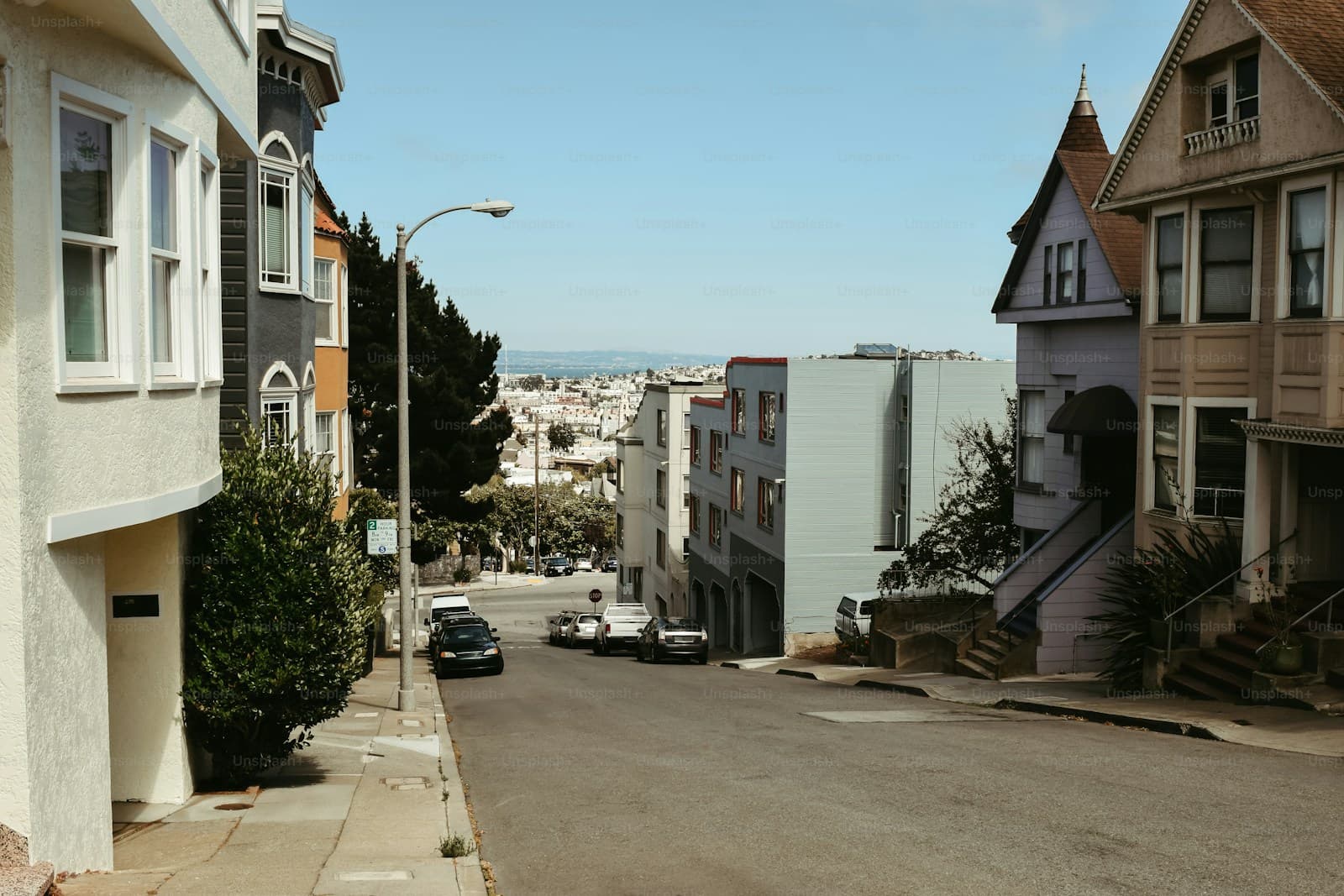
What Affects Rates in San Francisco
- Dense Urban Traffic and Collision Rates: San Francisco's stop-and-go traffic, steep hills, cable cars, and tight street parking create frequent low-speed collisions and sideswipe incidents. High-risk drivers with prior at-fault accidents face steeper surcharges here than in suburban California cities due to elevated claim frequency in zip codes like 94102, 94103, and 94109.
- High Uninsured Motorist Concentration: California's statewide uninsured driver rate hovers near 16%, but certain San Francisco neighborhoods see higher concentrations. Carriers price uninsured motorist coverage accordingly, and high-risk drivers — already surcharged — pay disproportionately more to protect against hit-and-run or uninsured at-fault parties.
- DUI Enforcement and Court Processing Volume: San Francisco Superior Court processes thousands of DUI cases annually, and the DMV's mandatory SR-22 filing requirement following a DUI conviction or administrative suspension is strictly enforced. Missing even one day of continuous SR-22 coverage resets the 3-year clock, making policy lapses costly for drivers already in the high-risk pool.
- Elevated Property Damage and Medical Costs: San Francisco's cost of living translates directly into higher bodily injury and property damage claim payouts. Medical treatment costs in SF exceed state averages, and vehicle repair labor rates are among California's highest. High-risk drivers see this reflected in premiums, particularly for liability limits above the state minimum.
- Public Transit Access and Mileage Variability: Some high-risk drivers reduce premiums by lowering annual mileage estimates, leveraging SF's Muni, BART, and bike infrastructure to commute without driving. Carriers offering low-mileage discounts can cut monthly costs by $30–$60/mo for drivers who document under 5,000 miles/year, a realistic threshold in San Francisco.
Compare rates from carriers that work with drivers who have points
Standard carriers surcharge heavily after violations. These specialists price your specific record differently.
Get Your Free QuoteCoverage Recommendations
Cost estimates are based on available industry data and vary by driver profile. These are not insurance quotes.
Liability Insurance
California requires 15/30/5 minimums, but a single at-fault accident in San Francisco — where medical bills and vehicle damage exceed state averages — can exhaust these limits. High-risk drivers should consider 100/300/100 to avoid personal asset exposure, though this raises premiums by $60–$120/mo over minimum coverage.
$150–$350/mo for 15/30/5; $210–$470/mo for 100/300/100Estimated range only. Not a quote.
Full Coverage
Full coverage (liability plus collision and comprehensive) is essential for financed or leased vehicles, and lenders require it. High-risk drivers in San Francisco pay $240–$500/mo for full coverage, depending on vehicle value, deductible choice ($500 vs. $1,000), and violation severity. Theft rates in neighborhoods like Tenderloin and SoMa elevate comprehensive premiums.
$240–$500/mo with $500–$1,000 deductiblesEstimated range only. Not a quote.
Non-Standard Auto Insurance
Non-standard carriers specialize in high-risk drivers who standard insurers decline or non-renew. In San Francisco, non-standard policies are common after DUIs, multiple at-fault accidents, or license suspensions. These carriers typically charge $200–$450/mo but provide the coverage needed to maintain SR-22 compliance and avoid driving uninsured.
$200–$450/mo depending on violation typeEstimated range only. Not a quote.
Uninsured Motorist Coverage
With California's high uninsured driver rate, uninsured motorist (UM) coverage protects you when an at-fault driver lacks insurance or flees the scene. High-risk drivers in San Francisco pay $25–$60/mo for UM coverage matching their liability limits — a prudent investment given the city's hit-and-run frequency and dense traffic.