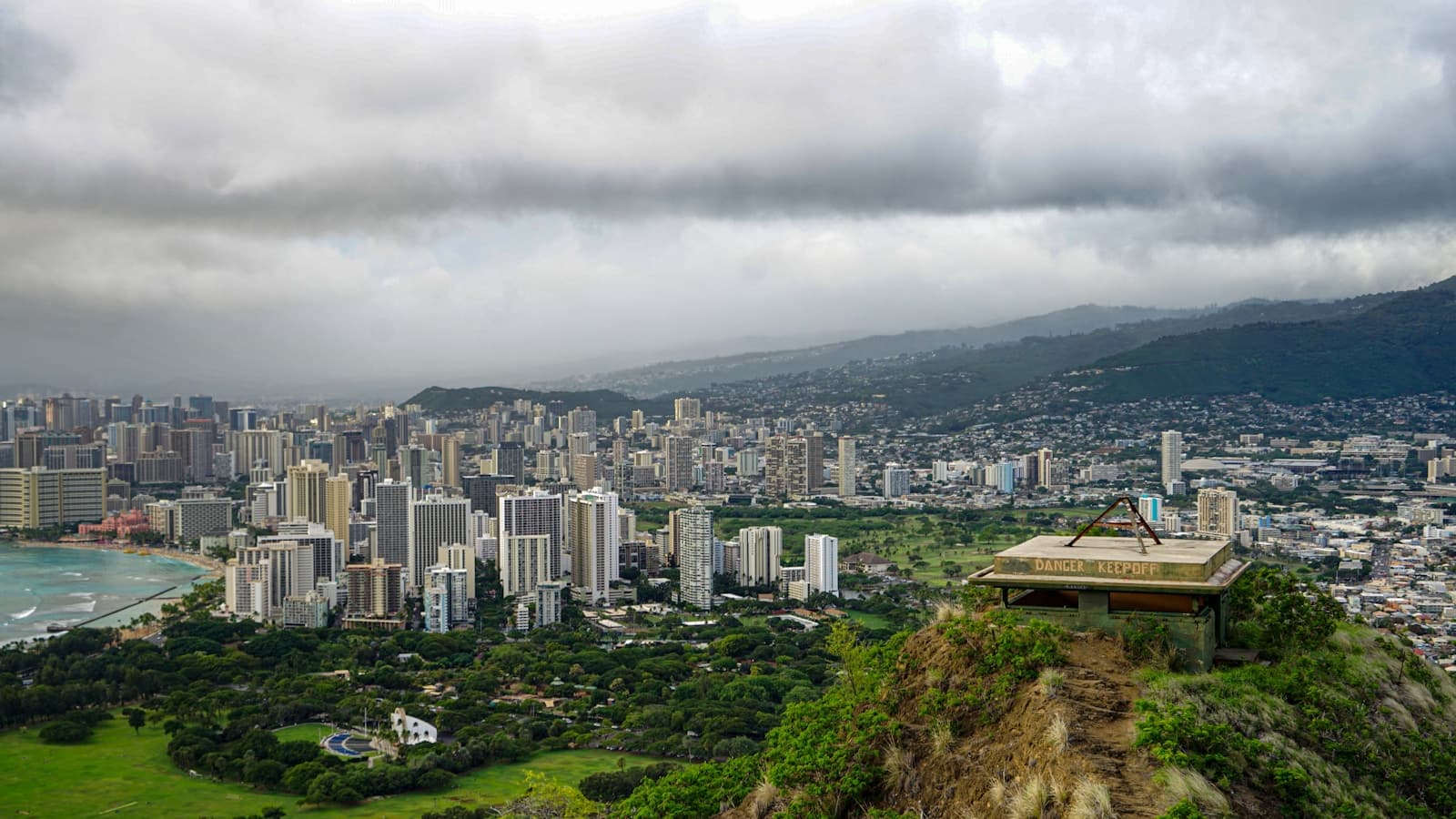
What Affects Rates in Honolulu
- Urban Traffic Density on Oahu: Honolulu has some of the worst traffic congestion in the nation, with H-1 frequently ranked among America's most congested highways. For high-risk drivers, this density increases accident exposure and pushes premiums 15–25% higher than what similar drivers pay on neighbor islands.
- High Uninsured Motorist Rate: Hawaii typically has uninsured motorist rates near 10–12%, and Honolulu concentrations run higher due to cost-of-living pressures. Carriers price uninsured motorist coverage accordingly, and high-risk drivers often see this coverage account for a larger share of total premium.
- No-Fault PIP Requirement: Hawaii is a no-fault state requiring Personal Injury Protection (PIP) coverage, typically with a $10,000 minimum. High-risk drivers pay elevated PIP premiums because their violation history signals higher claim likelihood, adding $40–$80/mo to base rates.
- Limited Carrier Competition for SR-22: Honolulu's island geography limits the number of non-standard carriers actively writing SR-22 policies. Fewer competitors mean less rate shopping power, and drivers with DUIs or suspensions often face 20–30% higher premiums than mainland urban markets with deeper carrier pools.
- Tourism-Heavy Roads and Rental Traffic: Waikiki and surrounding corridors see heavy rental car traffic and unfamiliar drivers, increasing accident rates. Carriers factor this elevated risk into Honolulu zip codes, particularly for drivers with at-fault accident histories.
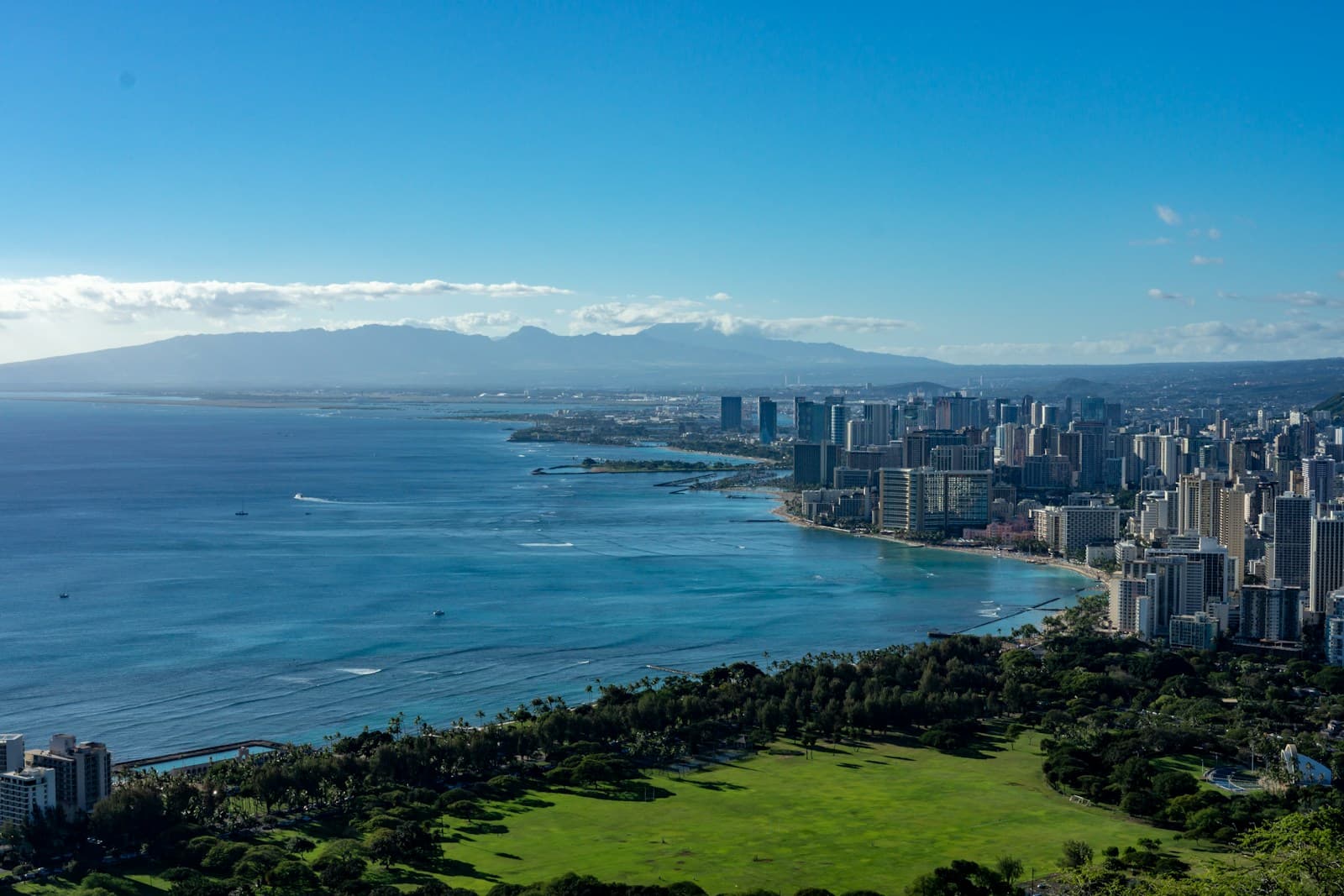
Compare rates from carriers that work with drivers who have points
Standard carriers surcharge heavily after violations. These specialists price your specific record differently.
Get Your Free QuoteCoverage Recommendations
Cost estimates are based on available industry data and vary by driver profile. These are not insurance quotes.
SR-22 Insurance
SR-22 is a certificate of financial responsibility that your insurer files with the Hawaii state authorities, typically required after DUI, suspended license, or driving uninsured. In Honolulu, the filing itself costs $25–$50, but the underlying high-risk policy drives premiums to $180–$350/mo depending on violation severity.
$180–$350/mo including filingEstimated range only. Not a quote.
Liability Insurance
Hawaii typically requires 20/40/10 minimum liability coverage, but high-risk drivers in Honolulu should consider 100/300/100 limits to protect assets and avoid out-of-pocket exposure in the state's high cost-of-living environment. Minimum coverage for high-risk drivers runs $120–$220/mo; higher limits add $40–$80/mo.
$120–$300/mo depending on limitsEstimated range only. Not a quote.
Uninsured Motorist Coverage
With Honolulu's elevated uninsured driver rates and dense traffic, uninsured/underinsured motorist coverage is critical for high-risk drivers who can't afford another at-fault claim. This coverage typically adds $30–$60/mo but protects you when the other driver lacks insurance or flees the scene.
$30–$60/mo added costEstimated range only. Not a quote.
Non-Standard Auto Insurance
Non-standard carriers specialize in high-risk drivers with DUIs, suspensions, or multiple violations. In Honolulu, these carriers often provide the only coverage option for drivers rejected by standard insurers, with policies ranging $180–$400/mo depending on driving record and coverage level.
$180–$400/mo full coverageEstimated range only. Not a quote.