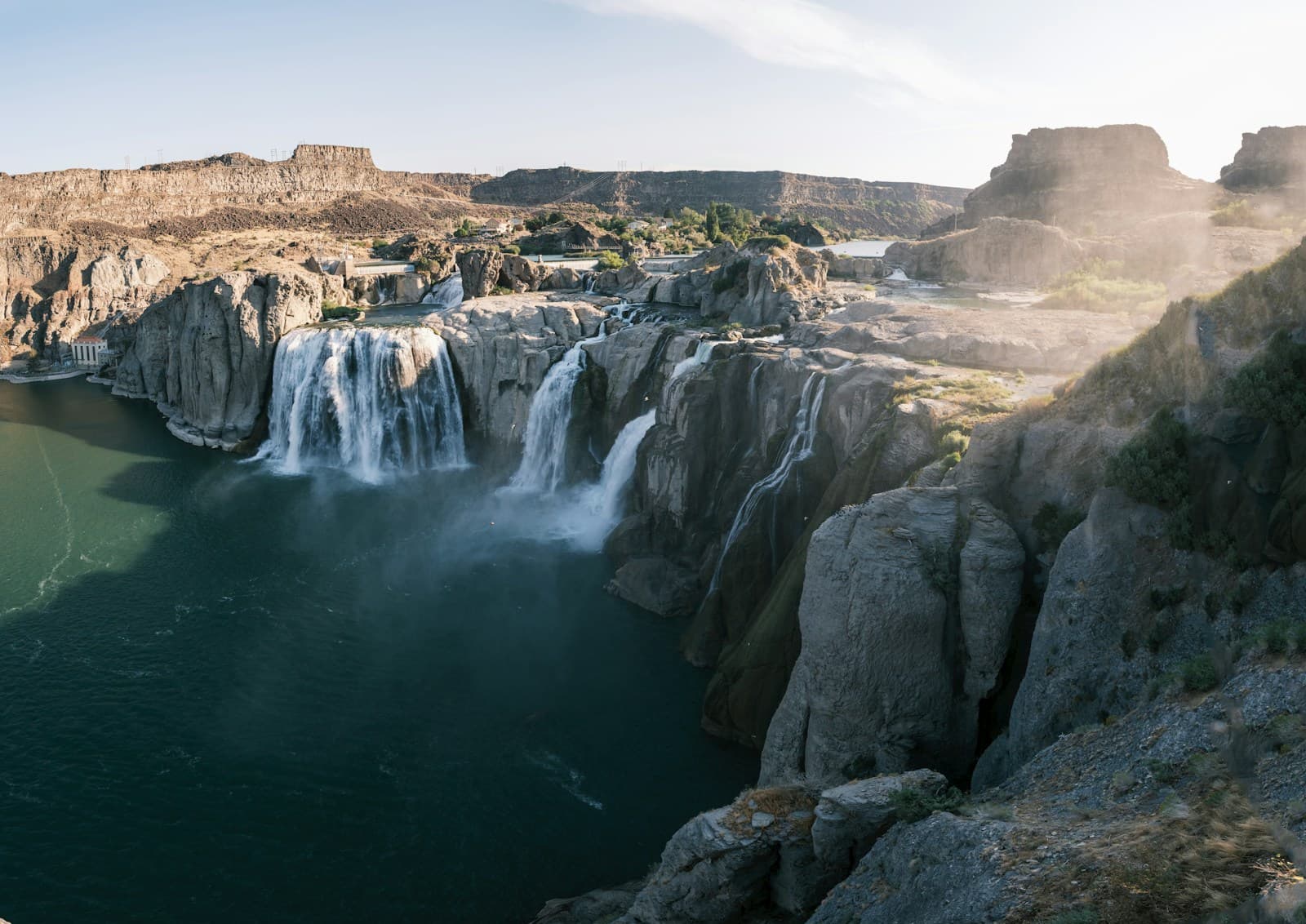
What Affects Rates in Twin Falls
- US-93 and Rural Highway Exposure: Twin Falls sits on the US-93 corridor connecting Idaho to Nevada, with high speeds and rural stretches that produce severe crashes. High-risk drivers face steeper premiums here because highway-dependent commutes mean more miles at higher speeds, increasing underwriting risk after a violation.
- Elevated Uninsured Motorist Rate: Twin Falls County has a higher-than-average uninsured driver population, a common pattern in agricultural regions with seasonal workers. Carriers writing SR-22 policies here charge more for uninsured motorist coverage because the collision risk with an uninsured driver is statistically elevated, and high-risk drivers can't afford another at-fault claim.
- Limited Non-Standard Carrier Competition: Twin Falls has fewer local non-standard carriers than Boise, so high-risk drivers often work with regional or national specialists. This reduced competition means less rate variation — comparing at least 4 quotes is critical because a $40/mo difference is common between the most and least expensive carriers for the same SR-22 profile.
- Winter Weather and Point Accumulation: Twin Falls winters bring black ice and reduced visibility on rural roads, contributing to at-fault crashes that add points to already compromised records. Drivers with 6+ points in Idaho face suspension at 12 points within 12 months, so a winter crash can accelerate license loss and force SR-22 filing even without a DUI.
Compare rates from carriers that work with drivers who have points
Standard carriers surcharge heavily after violations. These specialists price your specific record differently.
Get Your Free QuoteCoverage Recommendations
Cost estimates are based on available industry data and vary by driver profile. These are not insurance quotes.
SR-22 Liability Insurance
Idaho's SR-22 certifies you carry at least 25/50/15 liability limits for 3 years. In Twin Falls, expect $95–$180/mo for minimum liability with SR-22 after a DUI or major violation; many drivers upgrade to 50/100/25 for $15–$25/mo more to avoid being underinsured in a rural highway crash.
$95–$180/mo minimum liabilityEstimated range only. Not a quote.
Non-Standard Auto Insurance
Non-standard carriers specialize in drivers with DUIs, suspensions, or 6+ points. In Twin Falls, non-standard policies are often the only option after SR-22 filing, and they charge 2–3x standard rates initially but offer stepdown programs that reduce premiums by 20–30% after 12–18 months of claims-free driving.
2–3x standard rates initiallyEstimated range only. Not a quote.
Uninsured Motorist Coverage
Twin Falls' higher uninsured driver rate makes this coverage essential for high-risk drivers who can't afford another at-fault claim. Uninsured motorist coverage in Idaho typically adds $10–$20/mo to a policy and covers your injuries and vehicle damage if hit by an uninsured driver, protecting your SR-22 status from a no-fault claim turning into a rate spike.
$10–$20/mo added costEstimated range only. Not a quote.
Full Coverage for Financed Vehicles
If you're financing a vehicle and need SR-22 in Twin Falls, expect $190–$340/mo for full coverage (liability + collision + comprehensive). Lenders require collision and comprehensive, and after a major violation, your collision deductible often starts at $1,000 to keep premiums manageable — paying down the deductible over time can unlock lower monthly costs.
$190–$340/mo with SR-22Estimated range only. Not a quote.