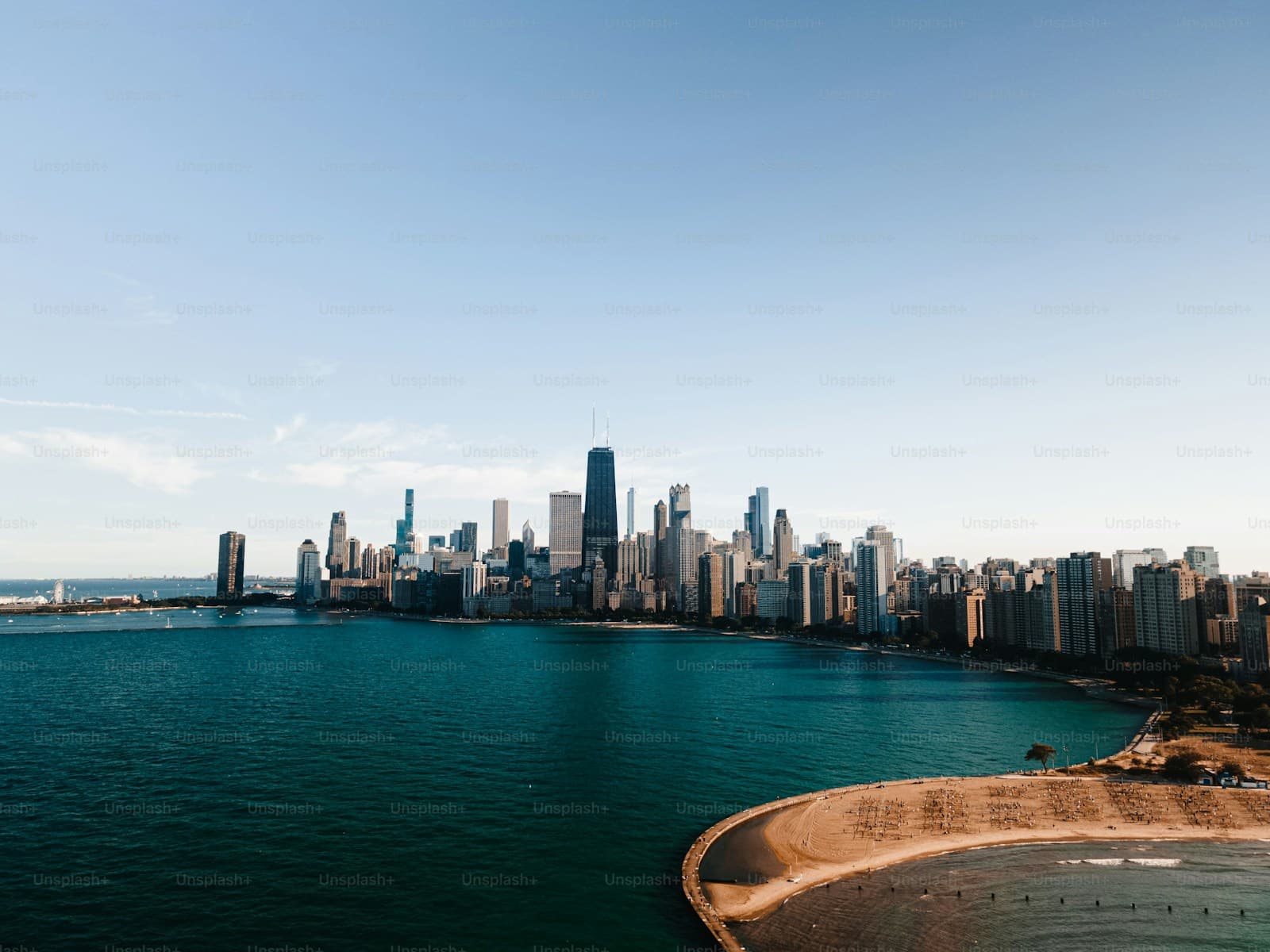
What Affects Rates in Chicago
- Cook County Traffic Density: Chicago's congested expressways and arterial grid generate elevated accident frequency, particularly on the Kennedy, Dan Ryan, and Eisenhower corridors. High-risk drivers face steeper premiums in zip codes near these bottlenecks, where carriers price for elevated collision exposure.
- High Uninsured Driver Concentration: Cook County consistently reports uninsured motorist rates between 15–18%, well above the Illinois average. Drivers with violations should prioritize uninsured motorist coverage, as at-fault crashes involving uninsured drivers leave high-risk policyholders exposed to out-of-pocket costs.
- Non-Standard Carrier Dominance: Chicago's high-risk market is served primarily by non-standard carriers operating through independent agents, not direct-to-consumer platforms. Drivers with DUIs or SR-22 requirements typically need to work with agents who specialize in assigned risk and surplus lines markets.
- Winter Weather Claim Spikes: Lake-effect snow and ice storms drive elevated comprehensive and collision claims from November through March. High-risk drivers carrying full coverage in Chicago see winter weather factored into annual premiums, particularly in lakefront and northern neighborhoods.
- Point System Acceleration: Illinois suspends licenses after 3 moving violations in 12 months, and Chicago's dense enforcement environment—red light cameras, speed cameras, and CPD traffic units—accelerates point accumulation. A second moving violation within 12 months often triggers rate increases of 40–70% before suspension occurs.
Compare rates from carriers that work with drivers who have points
Standard carriers surcharge heavily after violations. These specialists price your specific record differently.
Get Your Free QuoteCoverage Recommendations
Cost estimates are based on available industry data and vary by driver profile. These are not insurance quotes.
SR-22 Liability Insurance
Required for DUI convictions, driving without insurance, and license reinstatement after suspension in Illinois. The SR-22 is a certificate your insurer files with the Illinois Secretary of State, proving you carry at least state minimum liability (25/50/20). Any lapse triggers license re-suspension.
$25–$50 filing fee plus $180–$350/mo premiumEstimated range only. Not a quote.
Non-Standard Auto Insurance
Specialized carriers that write policies for drivers with DUIs, suspensions, multiple violations, or lapses. In Chicago, non-standard insurers like Acceptance, Direct Auto, and regional surplus lines carriers dominate the high-risk market, offering month-to-month policies with higher premiums but immediate coverage.
$180–$400/mo depending on violationEstimated range only. Not a quote.
Uninsured Motorist Coverage
Critical in Cook County, where 15–18% of drivers operate without insurance. This coverage pays your medical bills and vehicle damage when an at-fault driver has no insurance. High-risk drivers involved in crashes with uninsured motorists face compounded rate increases without this protection.
$15–$40/mo added to premiumEstimated range only. Not a quote.
Full Coverage
Combines liability, collision, and comprehensive coverage. Required by lenders if you finance or lease, and recommended for high-risk drivers with vehicles worth over $5,000. In Chicago, full coverage for drivers with violations typically runs $300–$550/month, with collision rates reflecting urban accident frequency.
$300–$550/mo for high-risk driversEstimated range only. Not a quote.