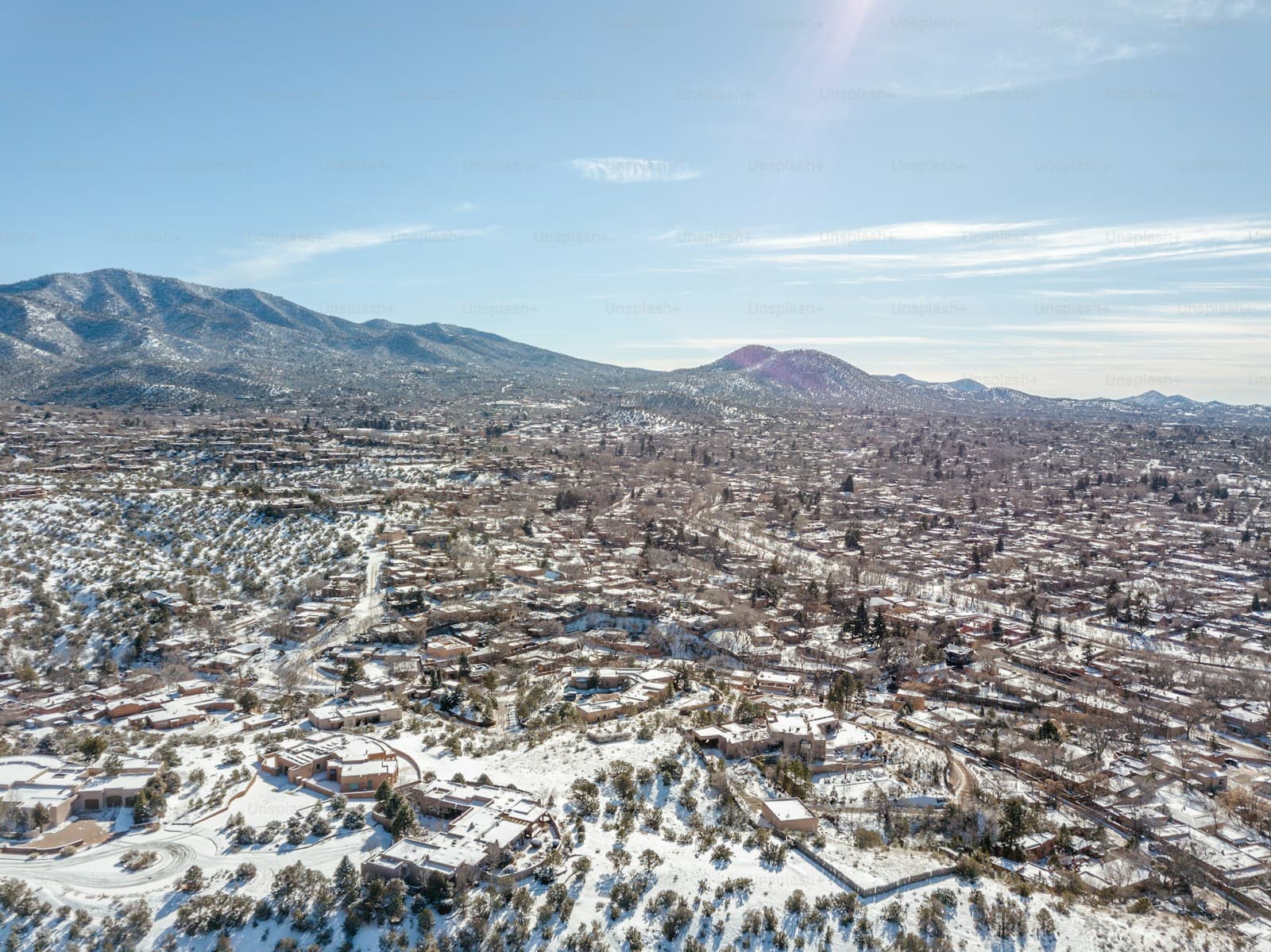
What Affects Rates in Missoula
- Highway 93 and Rural Corridor Exposure: Missoula's location at the junction of multiple rural highways increases collision exposure for high-risk drivers, particularly on Highway 93 and Interstate 90 corridors where speed differentials and wildlife crossings elevate accident rates. Carriers price this rural commute pattern into high-risk premiums, typically adding 10–20% compared to more urban Montana markets.
- Winter Weather and Suspension Risk: Missoula averages 40+ inches of snow annually, with icy conditions from November through March increasing accident frequency and secondary violations for drivers already carrying points. High-risk drivers face compounded premium increases if a winter accident occurs during their SR-22 filing period, often triggering policy review or non-renewal.
- Limited Non-Standard Carrier Competition: Missoula's smaller market size reduces the number of non-standard carriers writing high-risk policies locally, with most drivers relying on regional carriers or state-assigned risk pools. Limited competition typically keeps high-risk premiums 15–25% higher than in Billings or Great Falls, where more specialist carriers operate.
- University District Traffic Density: The University of Montana area sees concentrated pedestrian and bicycle traffic, increasing liability exposure for high-risk drivers with recent at-fault accidents or DUIs. Carriers often apply surcharges of $20–$40/mo for drivers with garaging addresses in the 59801 and 59812 ZIP codes due to elevated claims frequency.
- Montana MVD Processing and Lapse Consequences: The Montana Motor Vehicle Division requires continuous SR-22 certification for the full 3-year period, with any lapse in coverage triggering automatic license suspension and restart of the filing clock. Missoula drivers must coordinate filing between their carrier and the MVD in Helena, with processing delays of 5–10 business days common during peak periods.

Compare rates from carriers that work with drivers who have points
Standard carriers surcharge heavily after violations. These specialists price your specific record differently.
Get Your Free QuoteCoverage Recommendations
Cost estimates are based on available industry data and vary by driver profile. These are not insurance quotes.
SR-22 Insurance
Montana requires SR-22 filing after DUI convictions, license suspensions for point accumulation, and driving without insurance citations. The SR-22 itself is a certificate filed by your carrier with the Montana MVD, proving you maintain at least state minimum liability ($25,000/$50,000/$20,000), with the filing fee of $25–$50 added to your first premium payment.
$25–$50 filing + underlying premium increaseEstimated range only. Not a quote.
Liability Insurance
High-risk drivers in Missoula must carry Montana's minimum liability limits of $25,000 bodily injury per person, $50,000 per accident, and $20,000 property damage, though many non-standard carriers require higher limits ($50,000/$100,000/$50,000) for SR-22 policies. Minimum liability for a high-risk driver typically costs $120–$220/mo in Missoula, with the base rate tripling after a DUI conviction.
$120–$220/mo for state minimumsEstimated range only. Not a quote.
Non-Standard Auto Insurance
Drivers with DUIs, multiple violations, or lapses in Missoula typically need non-standard carriers willing to write high-risk policies, as standard carriers like State Farm and Allstate often decline or non-renew after major violations. Non-standard coverage in Missoula runs $150–$300/mo depending on violation type and driving history, with some carriers requiring 6-month policies paid in full upfront.
$150–$300/mo typical rangeEstimated range only. Not a quote.
Uninsured Motorist Coverage
With Montana's uninsured driver rate near 13% statewide, high-risk drivers in Missoula face elevated exposure to uninsured claims, particularly on rural highways where enforcement is sparse. Uninsured motorist coverage adds $15–$35/mo to high-risk policies but protects against out-of-pocket costs if hit by an uninsured driver, which is critical when you're already managing elevated premiums from your own violation.
$15–$35/mo added protectionEstimated range only. Not a quote.