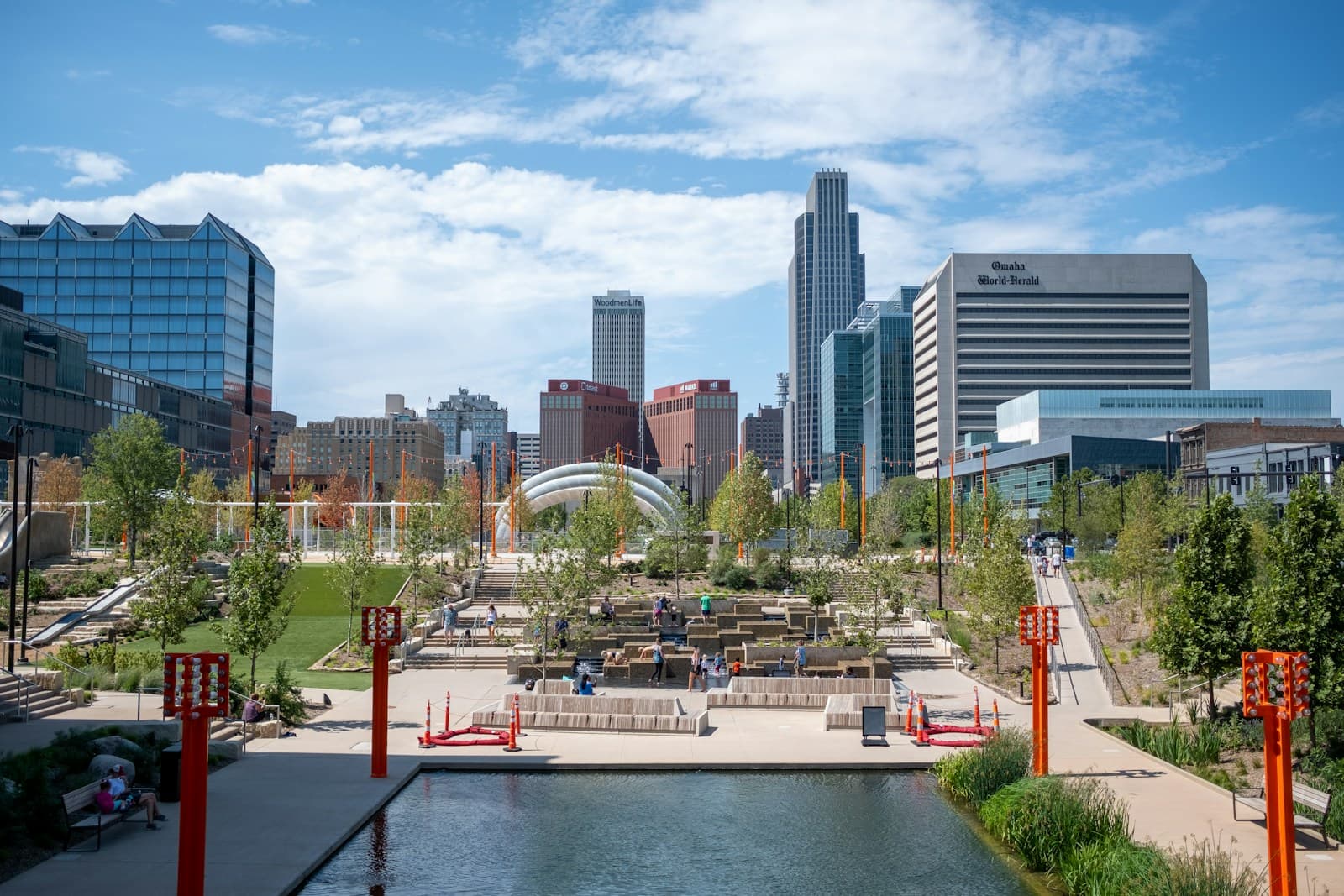
What Affects Rates in Omaha
- Downtown Omaha Traffic Density: Omaha's urban core — particularly the Old Market, Downtown, and I-80/I-480 interchange corridors — sees elevated accident frequency that pushes high-risk premiums higher than suburban zip codes. Drivers with existing violations face steeper surcharges in these high-density areas due to increased loss exposure.
- Douglas County Court Volume: Douglas County processes a high volume of DUI and moving violation cases, and Nebraska courts mandate SR-22 filing for license reinstatement following most suspensions. The three-year SR-22 requirement starts from the reinstatement date, not the violation date, which can extend the filing period if reinstatement is delayed.
- Winter Weather Impact: Omaha experiences frequent ice storms and snow events from November through March, contributing to weather-related accidents. High-risk drivers with prior at-fault accidents face compounded rate increases if they add another winter-weather claim during their surcharge period.
- Non-Standard Carrier Concentration: Non-standard and specialty carriers writing SR-22 policies in Omaha include regional and national high-risk insurers, but options narrow significantly for drivers with multiple DUIs or lapses under six months old. Shopping across at least three non-standard carriers is critical to finding the lowest available rate.
- Uninsured Motorist Exposure: Nebraska's uninsured motorist rate sits around 10%, with higher concentrations in urban Douglas County. High-risk drivers already paying elevated premiums should weigh the cost of uninsured/underinsured motorist coverage against the risk of an accident with an uninsured driver leaving them liable for damages.

Compare rates from carriers that work with drivers who have points
Standard carriers surcharge heavily after violations. These specialists price your specific record differently.
Get Your Free QuoteCoverage Recommendations
Cost estimates are based on available industry data and vary by driver profile. These are not insurance quotes.
SR-22 Insurance
An SR-22 is a certificate of financial responsibility filed by your insurer with the Nebraska DMV, required for three years following license reinstatement after DUI, refusal to test, or driving without insurance. The filing itself costs $25–$50, but the underlying high-risk policy drives the total premium to $180–$350/month in Omaha.
$25–$50 filing fee; $180–$350/mo total premiumEstimated range only. Not a quote.
Non-Standard Auto Insurance
Non-standard carriers specialize in high-risk drivers and typically charge $180–$350/month in Omaha for minimum liability with SR-22 filing. These carriers accept drivers with DUIs, suspensions, lapses, and multiple violations that standard insurers decline, and rate differences between non-standard carriers can exceed 40%.
$180–$350/mo in OmahaEstimated range only. Not a quote.
Liability Insurance
Nebraska requires 25/50/25 minimum liability limits, but high-risk drivers should consider 50/100/50 or higher to avoid out-of-pocket exposure in at-fault accidents. Omaha's urban traffic density increases the likelihood of multi-vehicle accidents with injury claims that exceed state minimums.
State minimum 25/50/25; recommended 50/100/50+Estimated range only. Not a quote.
Uninsured Motorist Coverage
With approximately 10% of Nebraska drivers uninsured and higher concentrations in Douglas County, uninsured/underinsured motorist coverage protects high-risk drivers from paying out-of-pocket for accidents caused by drivers with no insurance. This coverage typically adds $15–$40/month to a high-risk policy in Omaha.
+$15–$40/mo added to base premiumEstimated range only. Not a quote.