
What Affects Rates in Albany
- Capital District Urban Density: Albany's position as New York's capital creates concentrated commuter traffic on I-87, I-90, and Route 9, elevating accident frequency for high-risk drivers. Carriers price violations more aggressively in ZIP codes with higher stop-and-go density, particularly near downtown and the Empire State Plaza corridor.
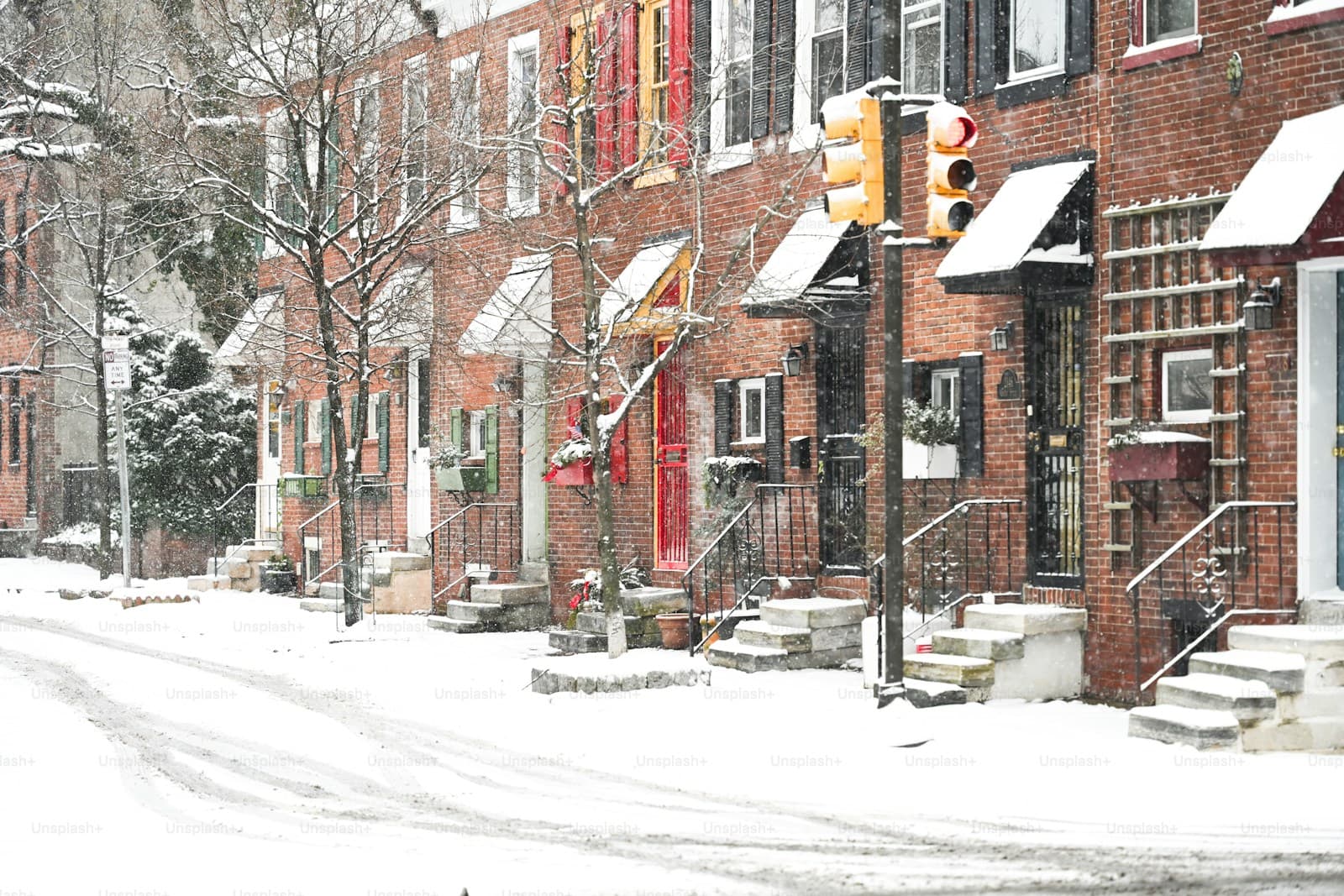
- Snow Belt Weather Patterns: Albany averages 60 inches of snow annually, with lake-effect bands from the Great Lakes creating hazardous driving conditions December through March. Drivers with prior at-fault accidents face steeper comprehensive and collision premiums due to elevated winter claim frequency in this region.
- New York Point Accumulation Threshold: New York suspends licenses at 11 points in 18 months, and Albany County courts assign points for violations ranging from 3 points for speeding up to 10 mph over to 11 points for reckless driving. Each point tier increases premiums by approximately 15–25%, and defensive driving courses reduce up to 4 points once every 18 months.
- Uninsured Motorist Concentration: The Capital District sees uninsured driver rates slightly above the state average, particularly in lower-income ZIP codes west of the city center. High-risk drivers should prioritize uninsured motorist coverage, as collisions with uninsured drivers can trigger rate increases even when not at fault in New York's no-fault system.
- DMV Violation Reporting Speed: The New York DMV updates violation records within 10 business days of court disposition, meaning Albany drivers convicted of speeding or DUI see insurance surcharges apply at the next renewal cycle—typically within 30–60 days. This rapid reporting leaves minimal time to shop for lower rates before current carriers apply surcharges.
Compare rates from carriers that work with drivers who have points
Standard carriers surcharge heavily after violations. These specialists price your specific record differently.
Get Your Free QuoteCoverage Recommendations
Cost estimates are based on available industry data and vary by driver profile. These are not insurance quotes.
Liability Insurance
New York requires 25/50/10 minimums, but high-risk drivers in Albany should carry 100/300/100 or higher to protect assets in no-fault lawsuits. Liability-only policies for drivers with violations or lapses typically cost $90–$160/mo.
$90–$160/mo liability-onlyEstimated range only. Not a quote.
Full Coverage
Full coverage (liability, collision, comprehensive) for Albany drivers with DUIs or suspensions typically runs $180–$350/mo, with non-standard carriers often offering rates 20–30% below standard market leaders. Rates vary significantly based on whether the violation was DUI (highest), reckless driving, or lapse.
$180–$350/mo typical rangeEstimated range only. Not a quote.
Non-Standard Auto Insurance
Non-standard carriers writing high-risk drivers in Albany include regional and national specialists who accept SR-22 filings and multiple violations. These carriers often price DUI and suspension cases 15–25% lower than standard carriers' surcharge tiers, especially after the first policy year.
15–25% below standard marketEstimated range only. Not a quote.
Uninsured Motorist Coverage
Uninsured motorist coverage is mandatory in New York at 25/50 minimums, but Albany's above-average uninsured driver rate justifies increasing limits to match liability coverage. Adding uninsured/underinsured motorist coverage to 100/300 typically adds $15–$30/mo for high-risk drivers.
+$15–$30/mo for higher limitsEstimated range only. Not a quote.