What Affects Rates in Fargo
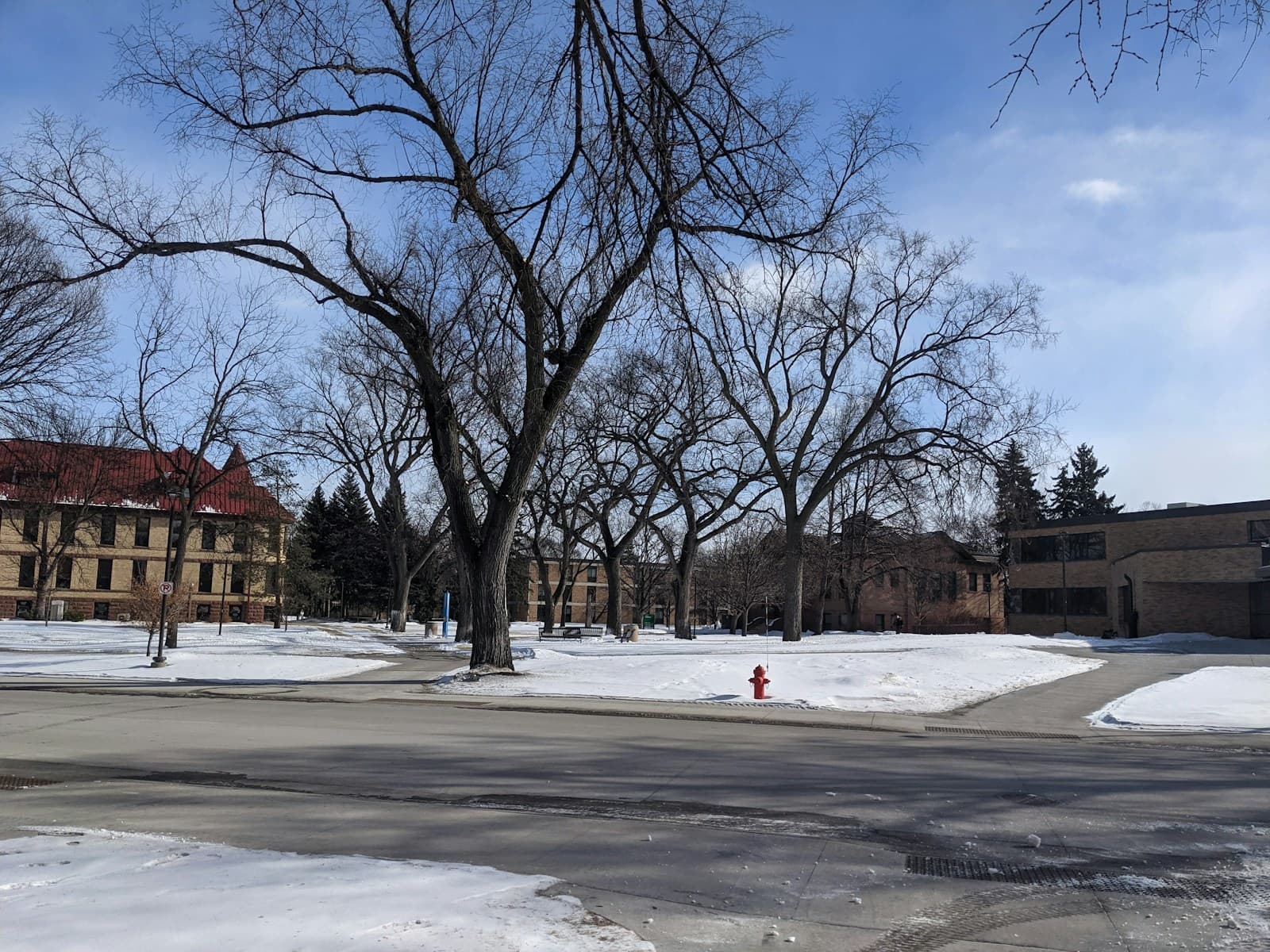
- Winter Weather Claims Concentration: Fargo averages 49 inches of snow annually with frequent black ice conditions from November through March. High-risk drivers with prior at-fault accidents see larger winter-month rate increases because carriers view weather-related claim risk as compounded by violation history.
- Limited Non-Standard Carrier Competition: Fargo's relatively small metro population means fewer non-standard carriers maintain local agent networks compared to Minneapolis or Sioux Falls. Drivers with SR-22 requirements often quote with 3–5 carriers locally versus 8–12 in larger regional markets, reducing rate competition.
- North Dakota Point System Severity: North Dakota suspends licenses at 12 points within 12 months, with DUI carrying 24 points and careless driving 8 points. Most Fargo drivers reaching suspension threshold face 18+ month elevated rates even after reinstatement because carriers price to the violation date, not the point expiration.
- I-94 Corridor Accident Density: The I-94 corridor through Fargo sees elevated accident frequency during morning and evening commutes, particularly at the 45th Street and I-29 interchange. High-risk drivers commuting these routes face higher comprehensive and collision premiums due to localized claim frequency data.
- Rural Uninsured Driver Proximity: Cass County's uninsured motorist rate sits near the state average, but bordering rural counties show higher uninsured percentages. High-risk drivers near Fargo's outskirts benefit from adding uninsured motorist coverage since a second claim—even not-at-fault—extends rate penalty timelines.
Compare rates from carriers that work with drivers who have points
Standard carriers surcharge heavily after violations. These specialists price your specific record differently.
Get Your Free QuoteCoverage Recommendations
Cost estimates are based on available industry data and vary by driver profile. These are not insurance quotes.
SR-22 Insurance
North Dakota requires SR-22 filing for three years after DUI, reckless driving, driving without insurance, or license suspension. The SR-22 itself costs $25–$50 to file, but the underlying liability policy for high-risk drivers in Fargo typically runs $150–$350/mo depending on violation severity and carrier appetite.
$150–$350/mo including filingEstimated range only. Not a quote.
Liability Insurance
North Dakota's minimum is 25/50/25, but high-risk drivers in Fargo should carry 100/300/100 because a second at-fault accident while already rated as high-risk can trigger policy non-renewal. Higher limits cost $20–$40/mo more but protect against both lawsuit exposure and carrier drop risk.
$90–$200/mo for 100/300/100Estimated range only. Not a quote.
Full Coverage
Drivers with financed vehicles and SR-22 requirements in Fargo face full coverage costs of $220–$450/mo due to collision and comprehensive premiums stacking on top of high-risk liability rates. Winter comprehensive claims—hail, deer strikes, ice damage—are factored heavily into Fargo pricing models.
$220–$450/mo with loanEstimated range only. Not a quote.
Uninsured Motorist Coverage
North Dakota requires uninsured/underinsured motorist coverage at the same limits as liability unless rejected in writing. High-risk drivers in Fargo should not waive this—if you're hit by an uninsured driver while already carrying SR-22, medical bills and lost wages can compound rate penalty duration even though you're not at fault.
$15–$35/mo for 100/300 UMEstimated range only. Not a quote.