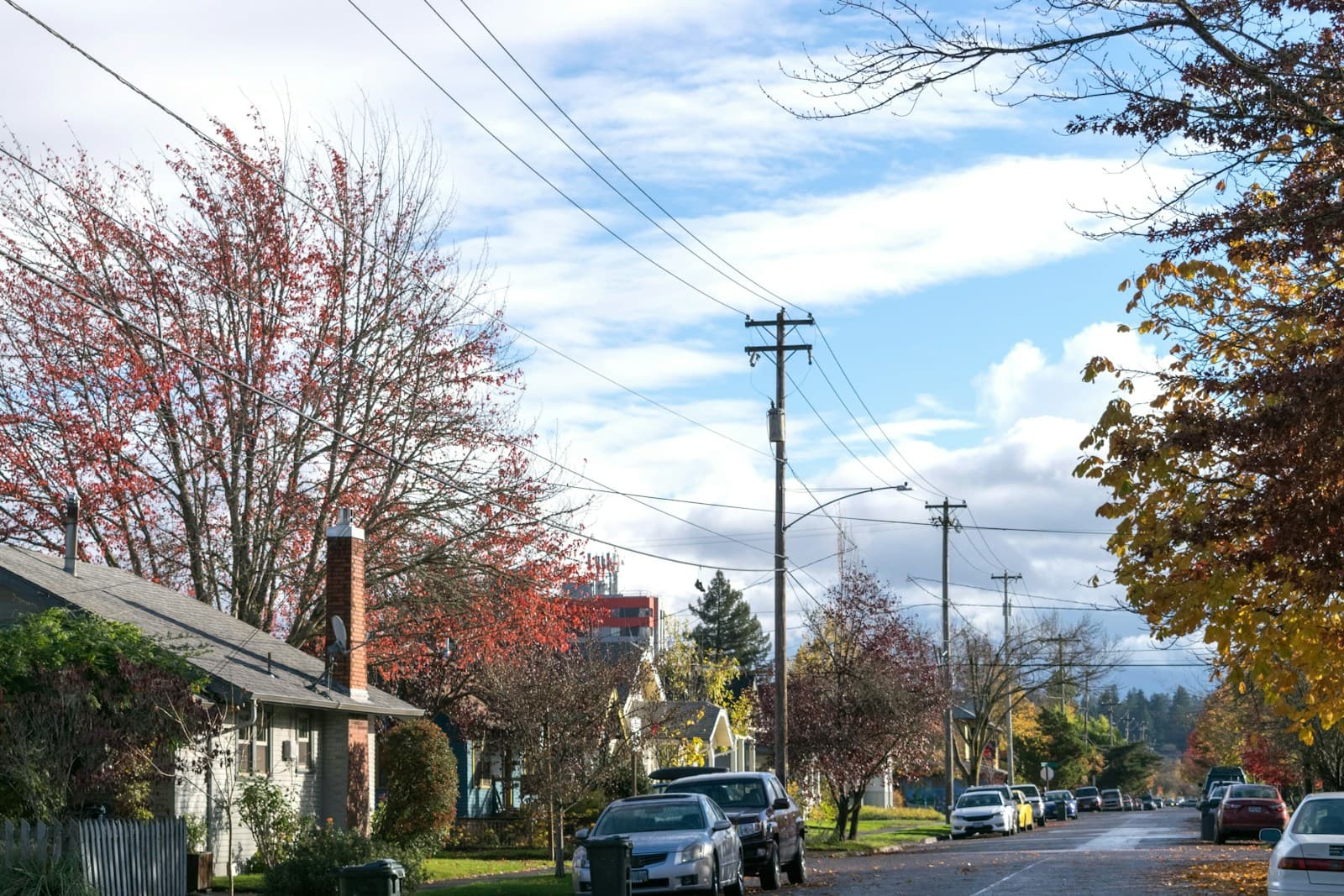
What Affects Rates in Eugene
- Eugene Traffic Density and Accident Rates: Eugene's mix of university traffic, downtown congestion along West 11th and Franklin Boulevard, and highway access via I-5 creates moderate accident exposure. High-risk drivers in Eugene often see lower premiums than Portland metro due to lighter traffic volume, but rates remain elevated compared to rural Lane County areas.
- Lane County Court SR-22 Triggers: Lane County Circuit Court mandates SR-22 filings for all DUI convictions, accumulating three moving violations in 18 months, driving while suspended, and at-fault accidents without insurance. Understanding your specific trigger helps identify whether you need continuous SR-22 filing or just reinstatement proof.
- Oregon DMV Point System Impact: Oregon uses a tiered suspension system: 4 points in 24 months for drivers under 18, 8 points in 18 months for drivers 18–20, and 20 points in 24 months for drivers over 20. A single DUI adds no points but triggers automatic suspension; most speeding violations add 2–4 points. High-risk insurers price based on total violations, not just points.
- Uninsured Motorist Concentration: Oregon's statewide uninsured driver rate hovers around 12%, with Lane County tracking near that average. For high-risk drivers carrying state minimum liability, this creates significant financial exposure—uninsured motorist coverage becomes essential when your own coverage floor is 25/50/20.
- Weather-Related Claim Patterns: Eugene's wet winters and frequent rain from October through May increase collision risk on I-5, Highway 126, and local arterials. High-risk drivers already paying elevated premiums see additional rate weight if they've had weather-related at-fault claims, making collision coverage costly but often necessary for financed vehicles.

Compare rates from carriers that work with drivers who have points
Standard carriers surcharge heavily after violations. These specialists price your specific record differently.
Get Your Free QuoteCoverage Recommendations
Cost estimates are based on available industry data and vary by driver profile. These are not insurance quotes.
Liability Insurance
Oregon requires 25/50/20 minimum liability, but high-risk drivers in Eugene should consider 50/100/50 or higher given the cost of at-fault accidents in Lane County. Non-standard carriers often write state minimums for $100–$200/month, while standard carriers offering higher limits start around $180/month after violations.
$100–$250/mo for 25/50/20 to 100/300/100Estimated range only. Not a quote.
SR-22 Insurance
SR-22 is a liability insurance certificate filed by your carrier to Oregon DMV proving continuous coverage for three years. The filing itself costs $25–$50, but the underlying high-risk policy in Eugene typically runs $150–$350/month depending on violation severity, with DUI-related SR-22s commanding the highest premiums.
$25–$50 filing + $150–$350/mo policyEstimated range only. Not a quote.
Uninsured Motorist Coverage
With roughly 12% of Oregon drivers uninsured, high-risk drivers in Eugene face elevated exposure when carrying only state minimum liability. Uninsured motorist coverage (UM/UIM) typically adds $15–$40/month to a high-risk policy and covers your medical costs and lost wages if hit by an uninsured driver.
+$15–$40/mo over liabilityEstimated range only. Not a quote.
Non-Standard Auto Insurance
Non-standard carriers specialize in post-violation, post-DUI, and lapsed coverage scenarios common in Eugene. These insurers accept higher risk profiles that standard carriers decline, offering liability-only or full coverage at rates 50–200% above standard market, with many requiring six-month paid-in-full policies upfront.
$150–$400/mo depending on violationsEstimated range only. Not a quote.