What Affects Rates in Scranton
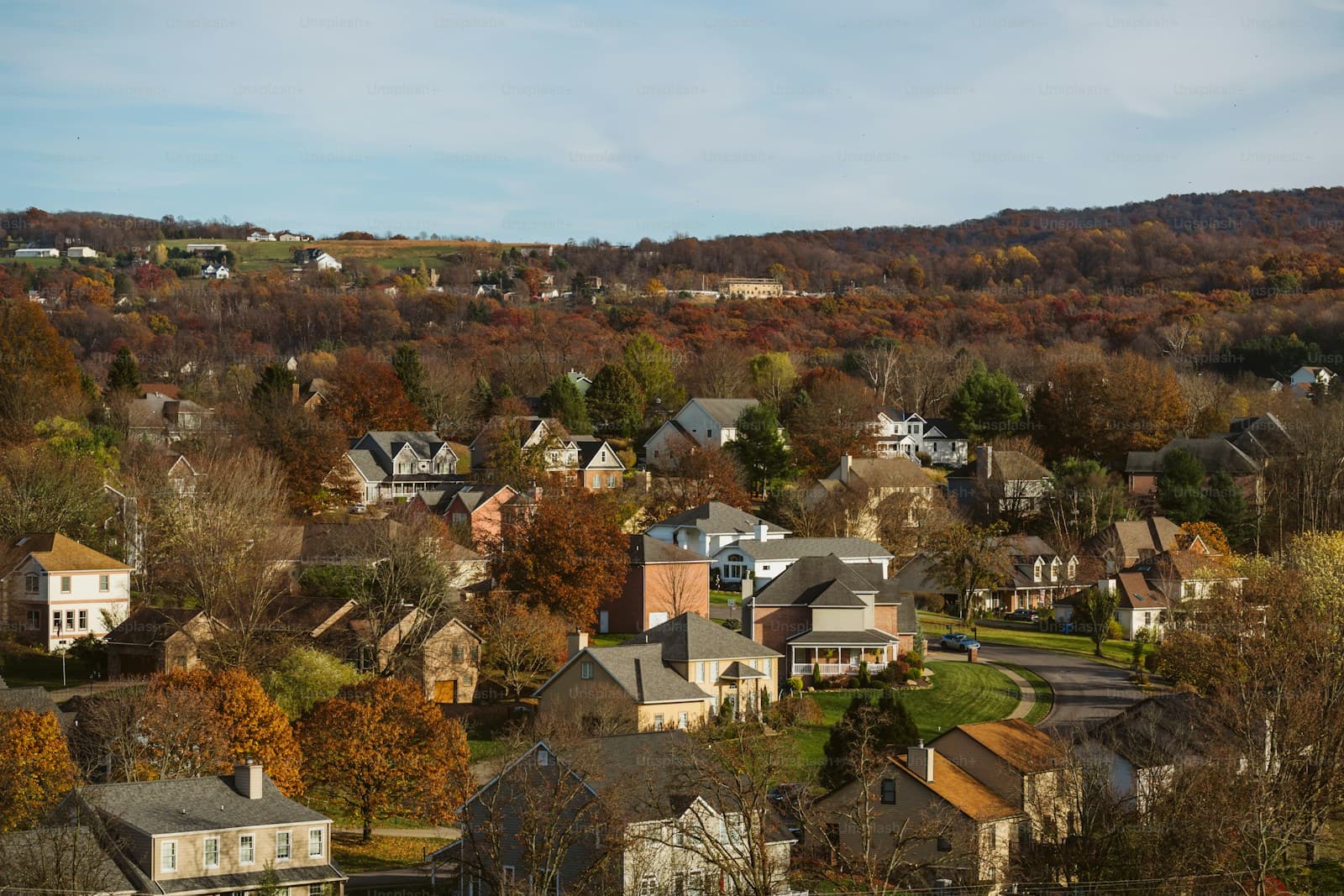
- Winter Weather Impact on High-Risk Rates: Scranton's location in northeastern Pennsylvania means heavy lake-effect snow and ice from November through March, increasing accident frequency for all drivers. High-risk drivers with existing violations face steeper rate increases because carriers view winter driving exposure as compounding existing risk, particularly for at-fault accidents during icy conditions on I-81 and Routes 6 and 11.
- High Uninsured Motorist Concentration: Scranton has a higher-than-average uninsured driver rate compared to Pennsylvania as a whole, driven by economic factors in Lackawanna County. For high-risk drivers, this means uninsured motorist coverage becomes more expensive because carriers price in the elevated probability of an uninsured claim, and many non-standard insurers require it as a condition of SR-22 policies.
- Urban Density and Accident Frequency: Scranton's urban core has higher traffic density than surrounding Lackawanna County communities, particularly around the downtown grid and near Geisinger Community Medical Center. High-risk drivers living or commuting through zip codes 18503, 18504, and 18510 typically see 10–20% higher premiums than those in suburban Dunmore or Clarks Summit due to accident claim frequency data in these zones.
- PennDOT Point System and SR-22 Triggers: Pennsylvania operates a point system where 6 points or more triggers a suspension, and SR-22 is required to reinstate after certain suspensions including DUI, accumulation of points, or refusing a chemical test. Scranton drivers often accumulate points from speeding violations on I-81 and I-476, and once suspended, must maintain SR-22 for three years from the date of reinstatement, not from the violation date.
- Local Court and ARD Program Impact: Lackawanna County Court of Common Pleas offers Accelerated Rehabilitative Disposition (ARD) for first-time DUI offenders, which can reduce the SR-22 filing period and insurance impact if completed successfully. However, insurance carriers still treat ARD participants as high-risk for 3–5 years, and Scranton-area non-standard carriers factor ARD completion into underwriting, sometimes offering modest rate reductions after the first year of compliance.
Compare rates from carriers that work with drivers who have points
Standard carriers surcharge heavily after violations. These specialists price your specific record differently.
Get Your Free QuoteCoverage Recommendations
Cost estimates are based on available industry data and vary by driver profile. These are not insurance quotes.
SR-22 Insurance
SR-22 is not a separate insurance policy but a certificate filed by your insurer with PennDOT proving you carry at least 15/30/5 liability coverage. In Scranton, the filing itself costs $25–$50, but the underlying high-risk policy typically runs $150–$350/mo depending on your violation, with DUI offenders paying the highest premiums and drivers with single speeding suspensions on the lower end.
$150–$350/mo total premiumEstimated range only. Not a quote.
Liability Insurance
Pennsylvania's minimum liability limits are 15/30/5 ($15,000 per person, $30,000 per accident for bodily injury, $5,000 property damage), but high-risk drivers in Scranton are often better served by 50/100/25 or higher to avoid out-of-pocket exposure in accidents. Non-standard carriers frequently require higher-than-minimum limits as a condition of SR-22 coverage, adding $30–$80/mo to baseline premiums.
$80–$200/mo for minimum to mid-level limitsEstimated range only. Not a quote.
Uninsured Motorist Coverage
Given Scranton's elevated uninsured driver rate, uninsured/underinsured motorist coverage protects you when hit by a driver with no insurance or insufficient limits. For high-risk drivers, this coverage is often mandatory under SR-22 policies and adds $25–$60/mo, but it's critical in a city where 10–15% of drivers may lack coverage.
$25–$60/mo added costEstimated range only. Not a quote.
Full Coverage
Full coverage (liability plus collision and comprehensive) for high-risk drivers in Scranton typically runs $250–$500/mo depending on vehicle value and violation severity. If you have a loan or lease, lenders require it, and in Scranton's winter weather, comprehensive coverage for ice and snow damage becomes more valuable, though it also adds significantly to premiums for drivers with violations.
$250–$500/mo for high-risk driversEstimated range only. Not a quote.