
What Affects Rates in Arlington
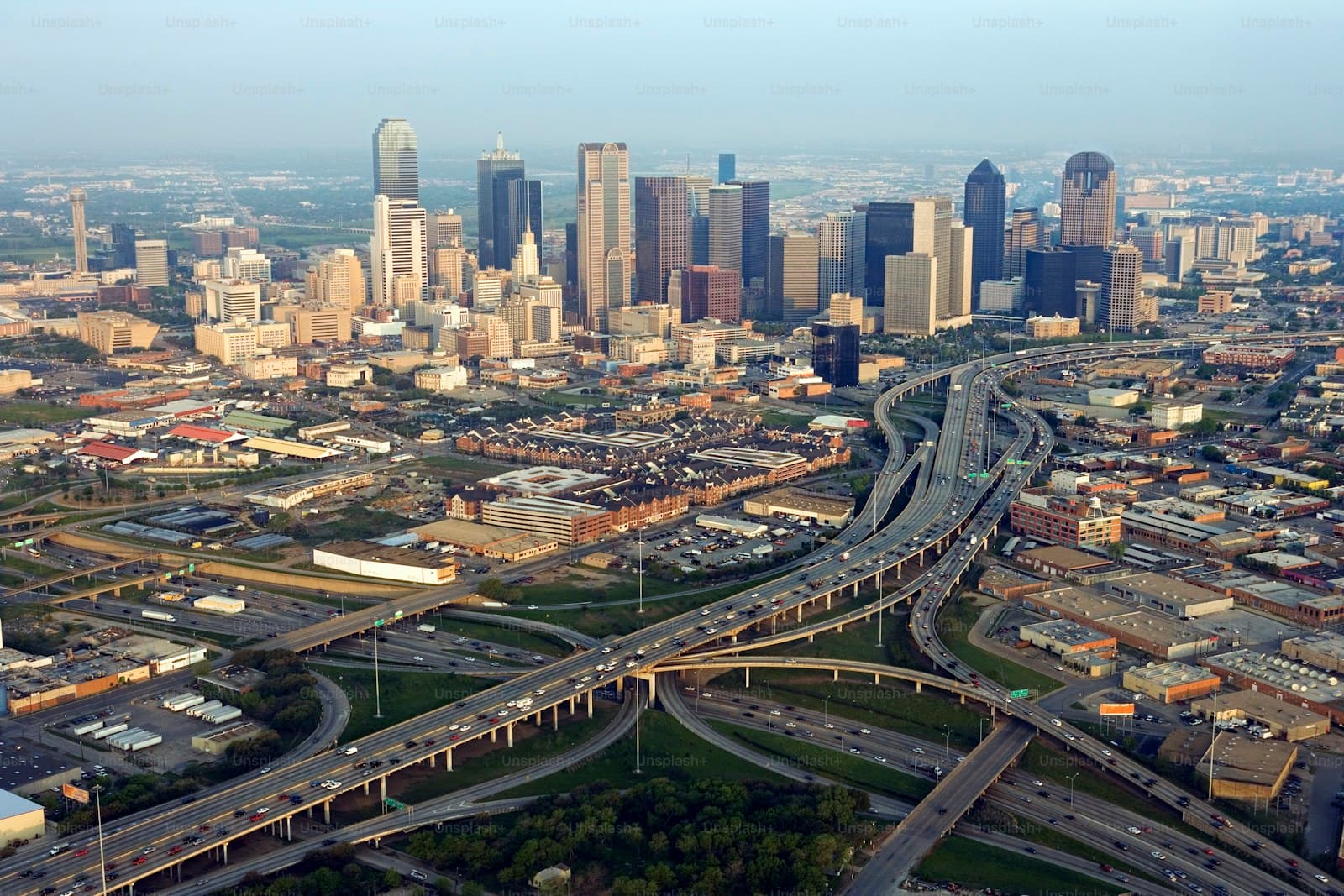
- I-20 and I-30 Corridor Density: Arlington sits at the intersection of two major interstate corridors with heavy commercial and commuter traffic, increasing accident frequency and claims severity. High-risk drivers face elevated premiums here due to the statistical likelihood of repeat incidents in high-density zones.
- Tarrant County Court Processing: DUI and suspension cases processed through Tarrant County courts often result in mandatory SR-22 filings, with the Texas Department of Public Safety requiring proof of financial responsibility before license reinstatement. Processing delays can extend the period drivers remain uninsured, compounding rate increases when coverage resumes.
- High Uninsured Motorist Concentration: Texas consistently reports uninsured driver rates above 20%, and Arlington's position as a large commuter city amplifies this risk. Carriers price uninsured motorist coverage higher for drivers with violations, anticipating they're more likely to encounter uninsured drivers in dense traffic.
- Weather-Related Incident Rates: North Texas hailstorms and sudden freeze events create seasonal spikes in comprehensive claims. High-risk drivers already paying elevated premiums see sharper rate impacts after weather-related at-fault accidents, particularly on I-20 during winter conditions.
- Non-Standard Carrier Concentration: Arlington's size supports multiple non-standard insurance carriers that specialize in high-risk profiles, creating competitive pricing for drivers with DUIs, suspensions, and SR-22 requirements. Drivers who compare quotes across specialty providers typically save 15–25% versus accepting the first quote.
Compare rates from carriers that work with drivers who have points
Standard carriers surcharge heavily after violations. These specialists price your specific record differently.
Get Your Free QuoteCoverage Recommendations
Cost estimates are based on available industry data and vary by driver profile. These are not insurance quotes.
SR-22 Insurance
An SR-22 is not insurance but a certificate your carrier files with the Texas DPS proving you carry at least 30/60/25 liability. In Arlington, expect to pay $25–$50 for the filing plus $100–$250/month added to your base premium depending on the violation that triggered the requirement.
$150–$350/mo total typicalEstimated range only. Not a quote.
Liability Insurance
Texas requires 30/60/25 minimums, but high-risk drivers in Arlington should consider 50/100/50 or higher — at-fault accidents with minimal coverage can trigger lawsuits that exceed policy limits, especially on I-20 and I-30 where multi-vehicle collisions are common. The rate difference between minimum and 50/100/50 is often $20–$40/month, but it protects against asset seizure.
$90–$200/mo for 30/60/25 high-riskEstimated range only. Not a quote.
Full Coverage
Full coverage (liability + collision + comprehensive) for high-risk drivers in Arlington typically runs $200–$450/month depending on vehicle value and violation severity. If you have a loan or lease, it's required; if the vehicle is older and paid off, consider whether the collision premium justifies the vehicle's actual cash value after a claim.
$200–$450/mo high-riskEstimated range only. Not a quote.
Uninsured Motorist Coverage
With Texas uninsured rates consistently above 20%, uninsured motorist coverage is critical in Arlington's dense traffic corridors. High-risk drivers pay 10–20% more for UM coverage than standard-risk drivers, but it's the only protection if an uninsured driver hits you and you have points or a DUI already affecting your rates.
$15–$40/mo added to policyEstimated range only. Not a quote.