
What Affects Rates in Austin
- I-35 Corridor Congestion: Austin's I-35 corridor is one of the most congested highway segments in Texas, with accident rates that consistently exceed state averages. High-risk drivers face steeper premiums in zip codes near this corridor due to elevated collision frequency and comprehensive claim patterns.
- Travis County Court Processing: DUI and reckless driving cases processed through Travis County courts typically result in SR-22 requirements that start at conviction, not arrest. Processing times can range from 60–180 days, and your SR-22 clock doesn't start until the court orders it, so factor that delay into your coverage timeline.
- Uninsured Motorist Concentration: Texas has an estimated 14% uninsured driver rate statewide, with Austin metro areas seeing higher concentrations in certain zip codes. High-risk drivers should prioritize uninsured motorist coverage at 30/60 minimum, as a second not-at-fault accident can further spike your rates even without SR-22.
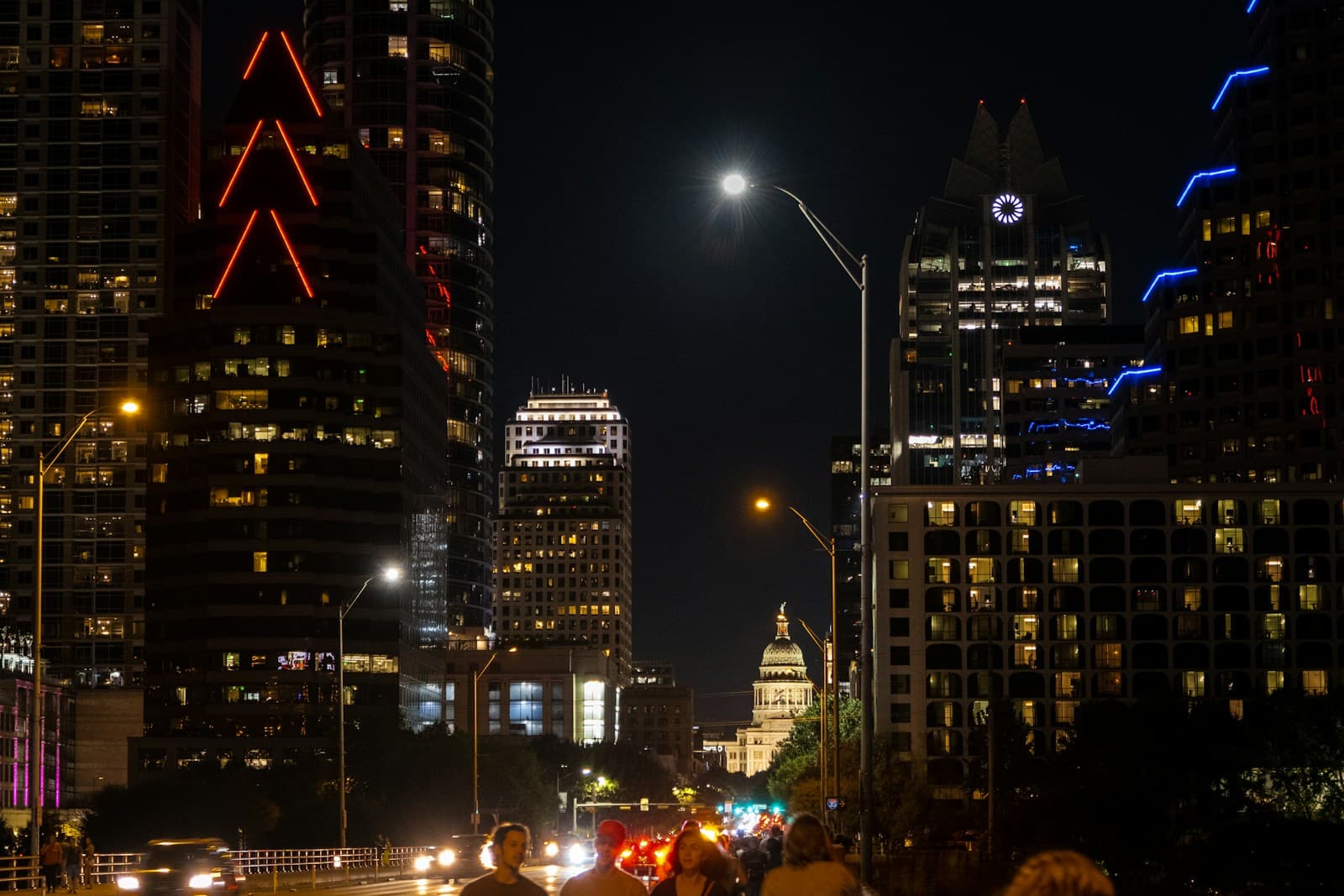
- Urban Density Premium Load: Austin's population density increased over 20% in the last decade, concentrating more vehicles in downtown and East Austin corridors. High-risk drivers in 78701, 78702, and 78704 zip codes typically see 10–15% higher premiums than suburban Travis County due to theft and accident frequency.
- Non-Standard Carrier Availability: Austin has strong non-standard carrier representation, including regional specialists that write high-risk policies at competitive rates. Drivers with DUI or multiple violations should compare at least three non-standard carriers alongside standard market options, as rate spreads can exceed $100/month for identical coverage.
Compare rates from carriers that work with drivers who have points
Standard carriers surcharge heavily after violations. These specialists price your specific record differently.
Get Your Free QuoteCoverage Recommendations
Cost estimates are based on available industry data and vary by driver profile. These are not insurance quotes.
Liability Insurance
Texas requires 30/60/25 minimum liability, but high-risk drivers in Austin should carry at least 50/100/50 to protect assets and reduce out-of-pocket exposure after a second violation. SR-22 is filed against your liability policy, so any lapse triggers a report to the Texas DPS and resets your 2-year clock.
$120–$250/mo for high-risk driversEstimated range only. Not a quote.
Full Coverage
Full coverage (liability + collision + comprehensive) for high-risk drivers in Austin typically runs $200–$400/month depending on violation severity and vehicle value. If you have a loan or lease, full coverage is mandatory, and your lender may require higher liability limits than the state minimum.
$200–$400/mo after major violationEstimated range only. Not a quote.
Non-Standard Auto Insurance
Non-standard carriers specialize in high-risk drivers and often offer more competitive rates than standard market options in Austin for drivers with DUI, suspended license, or multiple at-fault accidents. These policies may have higher down payments (25–40% of the 6-month premium) but lower monthly costs than standard carriers will quote you.
$150–$320/mo typical rangeEstimated range only. Not a quote.
Uninsured Motorist Coverage
With an estimated 14% of Texas drivers uninsured and higher concentrations in certain Austin zip codes, uninsured motorist coverage is critical for high-risk drivers who can't afford another rate spike from a not-at-fault accident. Carry at least 30/60 UM to match your liability minimums.
$15–$40/mo additionalEstimated range only. Not a quote.