What Affects Rates in Burlington
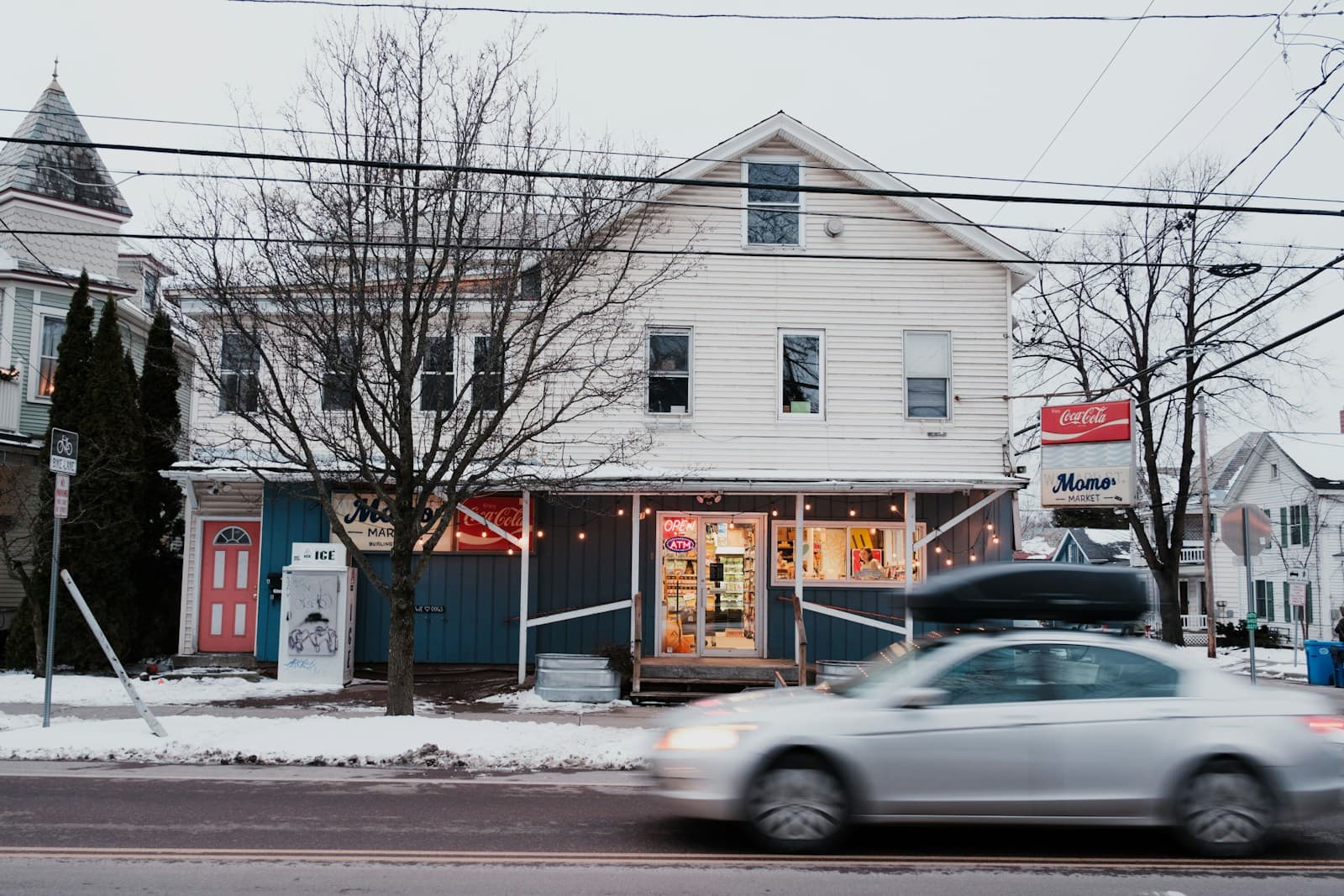
- Downtown Burlington Traffic Density: Burlington's compact downtown corridor—Church Street, Main, and College—concentrates pedestrian and vehicle traffic in a small area, elevating accident frequency for high-risk drivers already facing scrutiny. Carriers apply urban density surcharges to drivers with at-fault accidents or reckless driving convictions in the 05401 and 05402 zip codes.
- Winter Weather Accident Rates: Vermont winters bring black ice, heavy snow, and reduced visibility on Routes 7, 89, and 2 through Burlington, increasing collision risk. High-risk drivers with prior at-fault accidents face steeper comprehensive and collision premiums during October-April filing periods due to elevated winter claim frequency in Chittenden County.
- Vermont Point System Strictness: Vermont suspends licenses at just 10 points within 2 years—lower than neighboring New York (11 points in 18 months) or New Hampshire (12 points in 12 months). A single speeding ticket 30+ mph over adds 8 points, leaving Burlington drivers one minor violation from suspension and mandatory SR-22 filing after reinstatement.
- Low Uninsured Motorist Rate: Vermont consistently reports uninsured motorist rates below 6%, well under the national 13% average, but high-risk drivers in Burlington still benefit from uninsured/underinsured motorist coverage due to limited tort recovery options after license reinstatement. Carriers price this coverage lower here than in states with higher uninsured populations.
- University of Vermont Student Population: UVM's 13,000+ students concentrate young, inexperienced drivers in Burlington's east side neighborhoods, elevating collision claim frequency in the Hill Section and around campus. High-risk drivers over 25 may see marginally better rates than in college-town markets elsewhere, but those under 25 with violations face compounded youth and high-risk surcharges.
Compare rates from carriers that work with drivers who have points
Standard carriers surcharge heavily after violations. These specialists price your specific record differently.
Get Your Free QuoteCoverage Recommendations
Cost estimates are based on available industry data and vary by driver profile. These are not insurance quotes.
SR-22 Insurance
Vermont requires SR-22 filing after DUI convictions, driving under suspension, at-fault accidents without insurance, or accumulating 10+ points. The SR-22 itself costs $25–$50 to file, but the underlying liability policy for high-risk drivers in Burlington typically runs $180–$350/mo depending on violation severity and prior coverage history.
$180–$350/mo for full policyEstimated range only. Not a quote.
Non-Standard Auto Insurance
Drivers with DUIs, multiple at-fault accidents, or suspensions in Burlington typically need non-standard carriers willing to write policies standard insurers decline. Vermont-licensed non-standard carriers often require higher down payments (25–40% of six-month premium) but provide the liability coverage necessary to reinstate licenses and maintain legal driving status.
$180–$350/mo with higher depositsEstimated range only. Not a quote.
Liability Insurance
Vermont mandates 25/50/10 minimum liability limits, but high-risk drivers in Burlington should carry 50/100/25 or higher to protect assets after reinstatement—one at-fault accident with minimum coverage can trigger personal liability exceeding policy limits. Non-standard carriers price liability at 2–3× standard rates for drivers with DUIs or major violations.
$120–$220/mo for state minimumsEstimated range only. Not a quote.
Uninsured Motorist Coverage
Though Vermont's uninsured rate is low, high-risk drivers in Burlington benefit from UM/UIM coverage because post-suspension tort recovery is complex and policy lapses are common among other high-risk drivers. Coverage costs $15–$35/mo additional and protects against hit-and-run incidents common in downtown Burlington parking areas and Church Street.
$15–$35/mo additionalEstimated range only. Not a quote.